
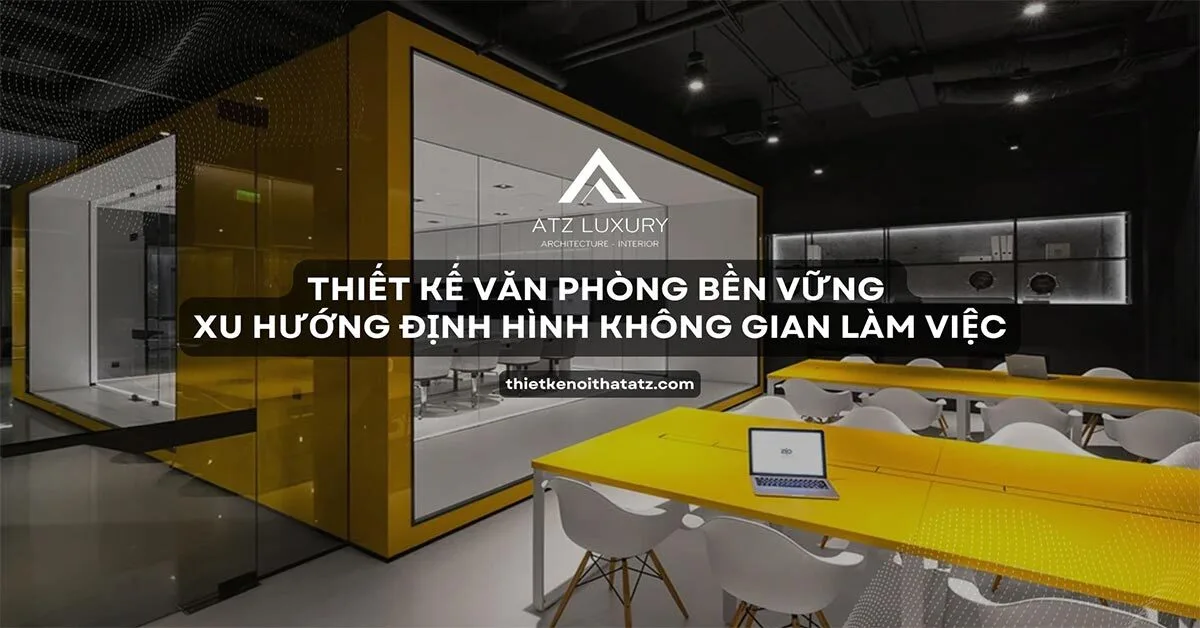
As we head toward 2026, sustainable office design is no longer just an aesthetic choice—it has become a mandatory asset strategy. A dramatic shift in expectations from the Gen Z workforce, who prioritize ESG (Environmental, Social, and Governance) values, is forcing companies to redefine their workspaces. According to research from the University of Exeter, integrating green elements can boost work productivity by up to 15% while significantly reducing long-term operational risks. Let’s dive into the details of sustainable office design with ATZ LUXURY!
What Is Sustainable Office Design? More Than Just a Green Concept
From the perspective of a Workplace Strategy Expert, sustainability isn’t just about scattering a few potted plants around. According to the World Commission on Environment and Development (WCED):
“Sustainable development is development that meets the needs of the present without compromising the ability of future generations to meet their own needs.”
In Vietnam, pioneering firms like ATZ LUXURY define this model based on two core pillars:
- Environmental protection: Cutting greenhouse gas emissions (a 33% reduction compared to traditional offices), while optimizing water and energy use.
- Human development: Using design to reduce absenteeism and boost happiness indexes. This is a human-centric approach aimed at protecting a company’s most valuable asset.
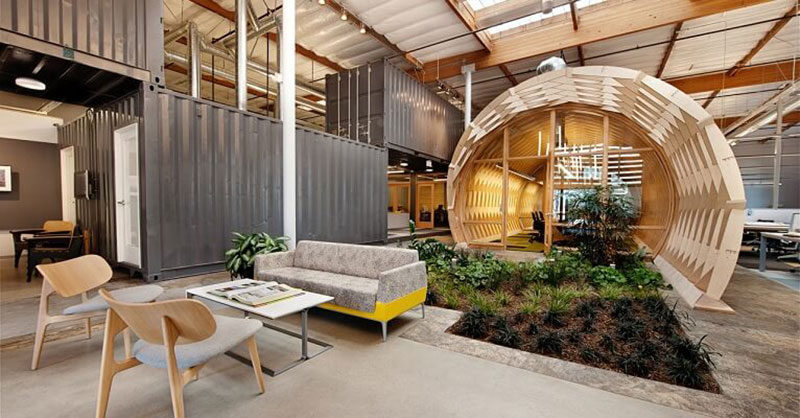
Explore more: Top 21+ inspiring and creative Office Design Ideas to boost productivity, creativity, and satisfaction.
The Net Zero Office: The Pinnacle of Sustainability in the New Era
The Net Zero Office is the ultimate goal multinational corporations are striving for. A strategy expert must clearly distinguish between concepts: Net Zero requires deep cuts to actual emissions (>90%) before any offsetting takes place, whereas Carbon Neutrality often relies heavily on purchasing carbon credits to neutralize emissions. To meet this standard, businesses must manage emissions in accordance with the GHG Protocol across three scopes:
- Scope 1 (Direct): Emissions from on-site equipment (generators, company vehicles).
- Scope 2 (Indirect from energy): Electricity purchased from the grid to run HVAC and lighting systems.
- Scope 3 (Value chain): Emissions from Operational Carbon and Embodied Carbon (carbon inherent in building materials and interior furnishings).
The Net Zero roadmap: Assess current status -> Set targets (40-50% reduction by 2030) -> Deep cuts (>90% reduction by 2050) -> Neutralize remaining emissions through permanent carbon storage solutions.
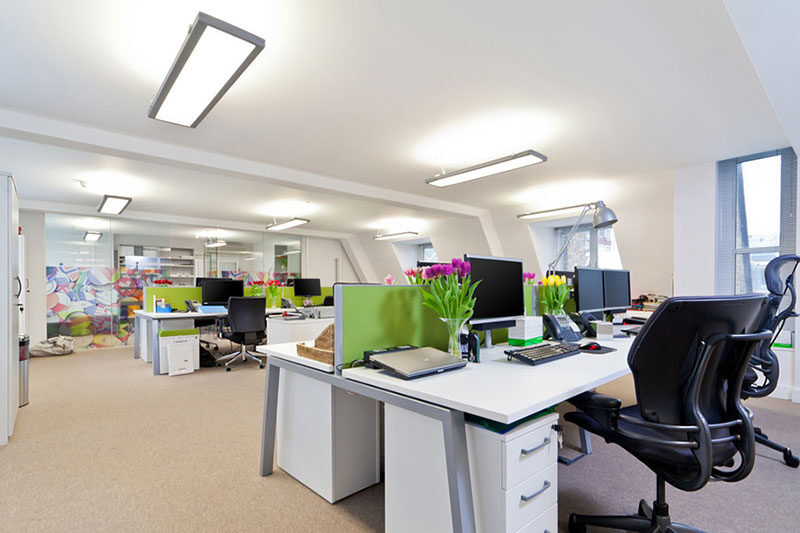
5 Core Elements for Building a Sustainable Office
Sustainable Materials and the Rise of Circularity
Choosing sustainable materials is key to reducing Embodied Carbon. A startling statistic: The production of traditional fired clay bricks in Vietnam (42 billion bricks/year) releases up to 23 billion tons of CO2. Therefore, transitioning to alternative materials is urgent:
- Circular economy: A prime example is the Adidas London office, which uses 100% furniture made from ocean plastic waste.
- Bio-based materials: Pressed bamboo (with a 3–5 year regeneration cycle), wood fiber (-9kg CO2 absorption per 100 sq ft), and sintered stone (free of toxic plastics and silica).
- Non-fired materials: Using lightweight concrete blocks (EPS) or autoclaved aerated concrete to lower VOC concentrations and protect staff respiratory systems.
Energy Optimization: From Passive Architecture to BIM Technology
In modern design, technology acts as the coordinating brain. Research from the Hong Kong University of Science and Technology (HKUST) proves that applying Building Information Modeling (BIM) combined with energy simulation delivers outstanding efficiency:
- Reduces total annual energy consumption by 40.68% and lighting energy by 36.59%.
- Digital Twin: Allows architects to simulate and select the optimal Window-to-Wall Ratio (WWR), balancing natural light with heat gain control.
- Self-powered systems: Utilizing Arduino-based controllers integrated with 6W solar panels and lithium batteries to autonomously monitor environmental metrics (temperature, humidity, air quality).
Supplementary engineering solutions include Low-E glass (reducing thermal radiation by 40%), Building Management Systems (BMS) to eliminate thermal bridging, and optimized U-values for the building envelope. With a roof area of approximately 700m2, a solar panel system has a payback period of just 7.46 years, delivering long-term net returns.
Biophilic Design: Bringing Nature into the Office Rhythm
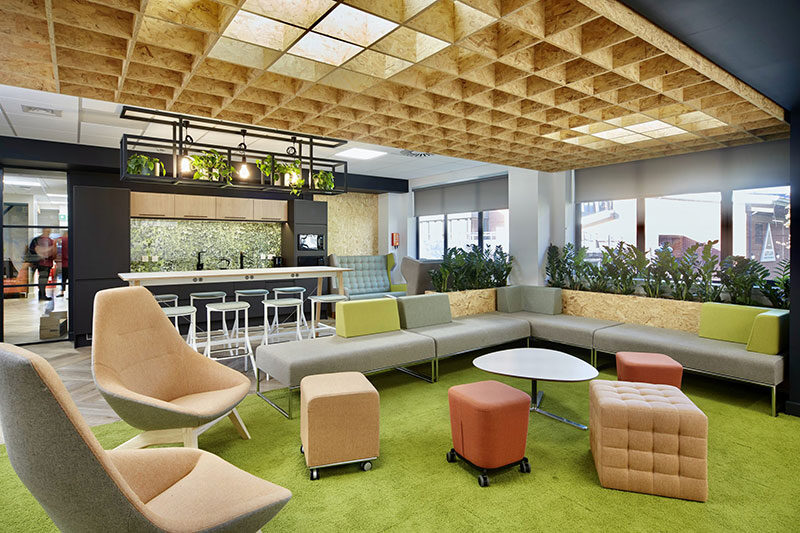
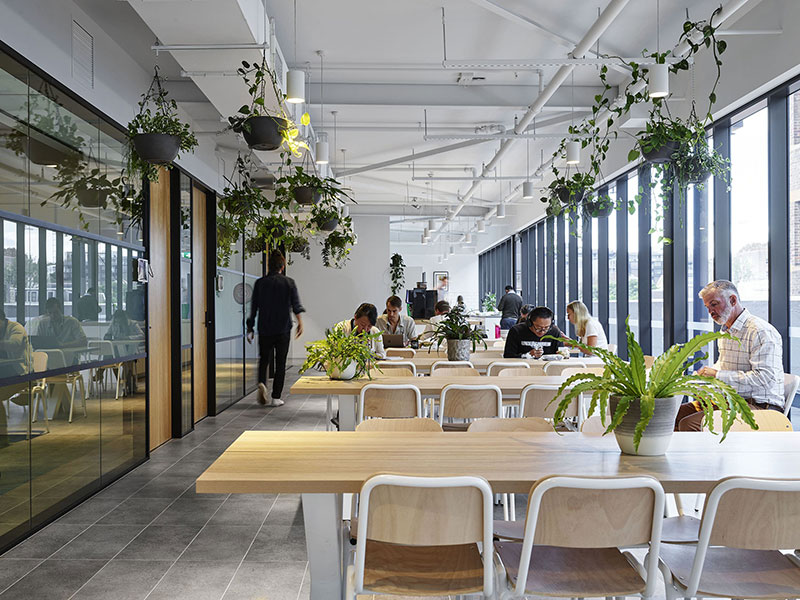
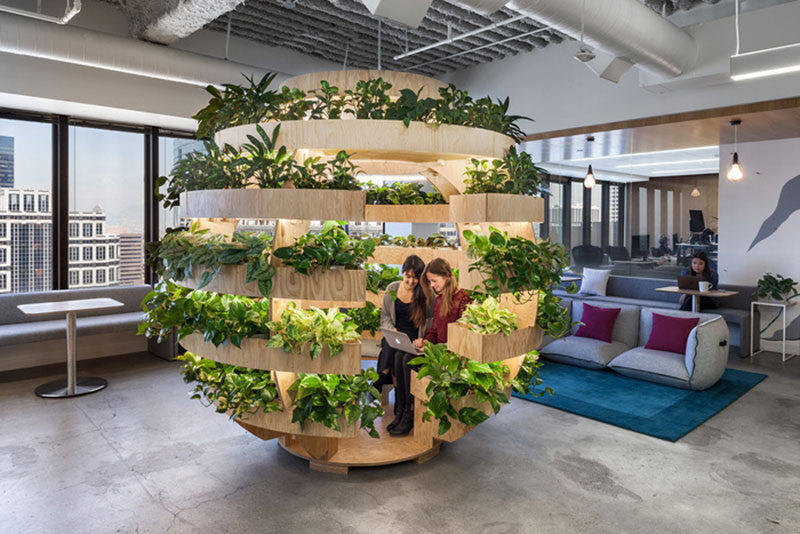
More than just green plants, Biophilic Design is a wellness science. Integrating natural elements (such as the Amazon Spheres model) helps to:
- Reduce cortisol (the stress hormone) by 20%, thereby lowering rates of burnout and nervous tension in the office.
- Optimize circadian rhythms through natural daylight, helping employees maintain high levels of focus.
You might be interested in: Integrating Brand and Corporate Culture into Office Design
Strategic Benefits: When Sustainability Goes Hand in Hand with Profit
Investing in a green office is a smart financial move:
- Increased asset value: A “Green Premium” boosts real estate investment value by 15-20%, creating immense liquidity advantages for office real estate investors.
- Optimized operations: Reduces electricity, water, and maintenance costs by 15-20% (according to the World Green Building Council).
- Attracting top talent: Gen Z and Millennials are eager to commit long-term to organizations with genuine ESG commitments rather than superficial “greenwashing” campaigns.
Certified Standards: LEED, WELL, and LOTUS
To transparently verify sustainability data, businesses need to earn international certifications. Below is a strategic comparison table:
| Standard | Core Focus | Issuing Organization | ROI & Difficulty | 2026 Key Highlights |
| LEED (USA) | Energy & Environment. Focuses on carbon emission reduction and resource conservation. | USGBC | Highest. Acts as a “passport” for major FDI corporations leasing office space. | Tighter integration of Net-Zero metrics and construction waste management. |
| WELL (USA) | Health & People. Emphasizes air quality, circadian lighting, and employee psychology. | IWBI | Medium/High. Investing in people to drive productivity and retain talent. | Strict requirements for on-site Performance Testing. |
| LOTUS (Vietnam) | Domestic Law & Climate. Adapted based on Vietnam’s construction standards. | VGBC | Cost-optimized. Best suited for domestic businesses needing practicality and savings. | Easily applies local materials and suits tropical monsoon climates. |
“Achieving certifications like LEED Platinum or WELL Gold not only helps cut costs but also serves as a ‘passport’ for businesses entering the global supply chain.”
See more: Office Lighting Design Standards
Case Studies: Examples of Sustainable Office Design
Here are some typical examples of sustainable office design focused on human experience that we would like to share with our readers. Take a moment to check them out.
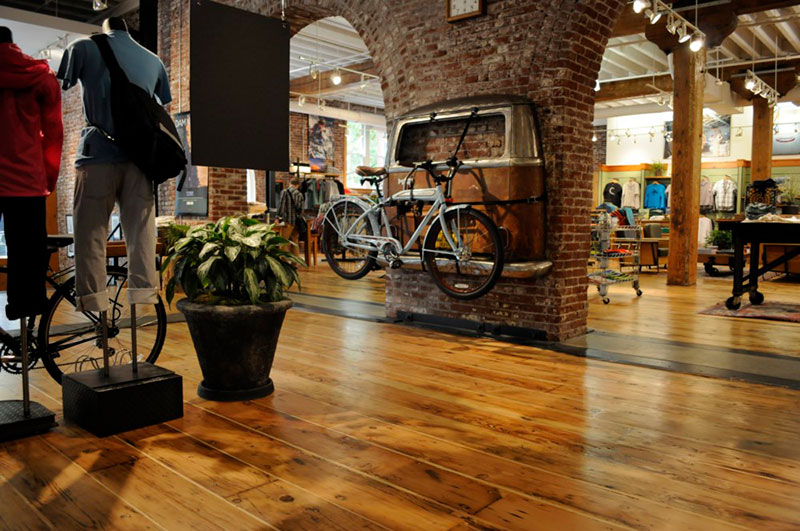
Patagonia’s Ventura Headquarters
Patagonia’s Ventura headquarters also applies sustainable office design concepts, utilizing nature-friendly decorative materials to create a comfortable, pleasant working environment for its team.
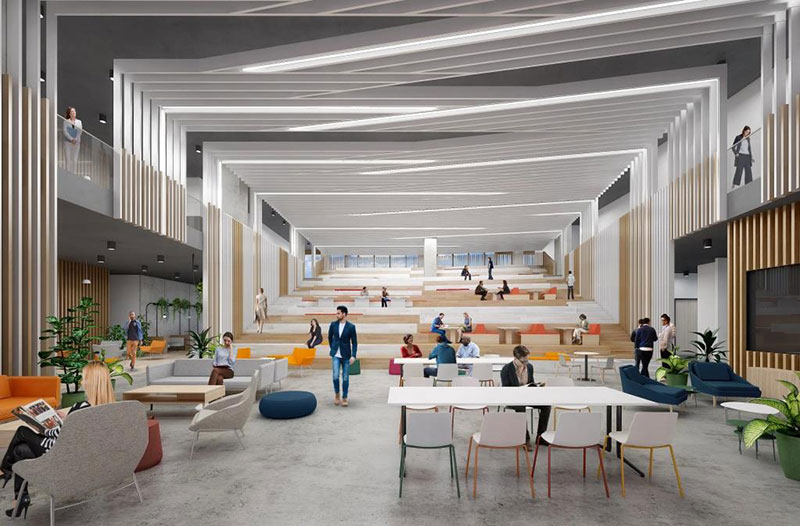
Adobe’s San Jose Campus
Adobe’s San Jose campus is a pioneer in clean, renewable energy. Adobe’s new headquarters was renovated in 2017 featuring an open workspace, creative meeting rooms, and outdoor work areas.
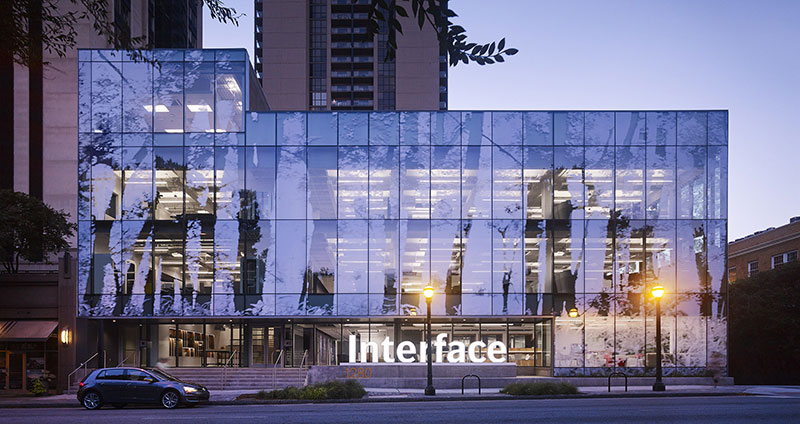
Interface’s Atlanta Headquarters
Interface’s Atlanta headquarters applies the latest, most advanced technologies, providing employees with a dynamic, creative, and relaxed working environment fully equipped with necessary furnishings.
Conclusion
Entering 2026, sustainable office design will transition from a trend into a mandatory reporting standard. Combining circular materials, smart energy management tech (BIM/BMS), and human-centric design is the key to creating a sustainably profitable workspace.
Does your business have a concrete roadmap in place to meet sustainable reporting standards by 2026? Remember, an optimal window-to-wall ratio decision or switching to non-fired materials today serves as the foundation for your business’s breakthrough in the coming decade.
If you have any needs, contact ATZ LUXURY right away for a consultation on suitable design solutions from our experts.
See more:
Thảo Phương – thietkenoithatatz.com
No comments yet!