
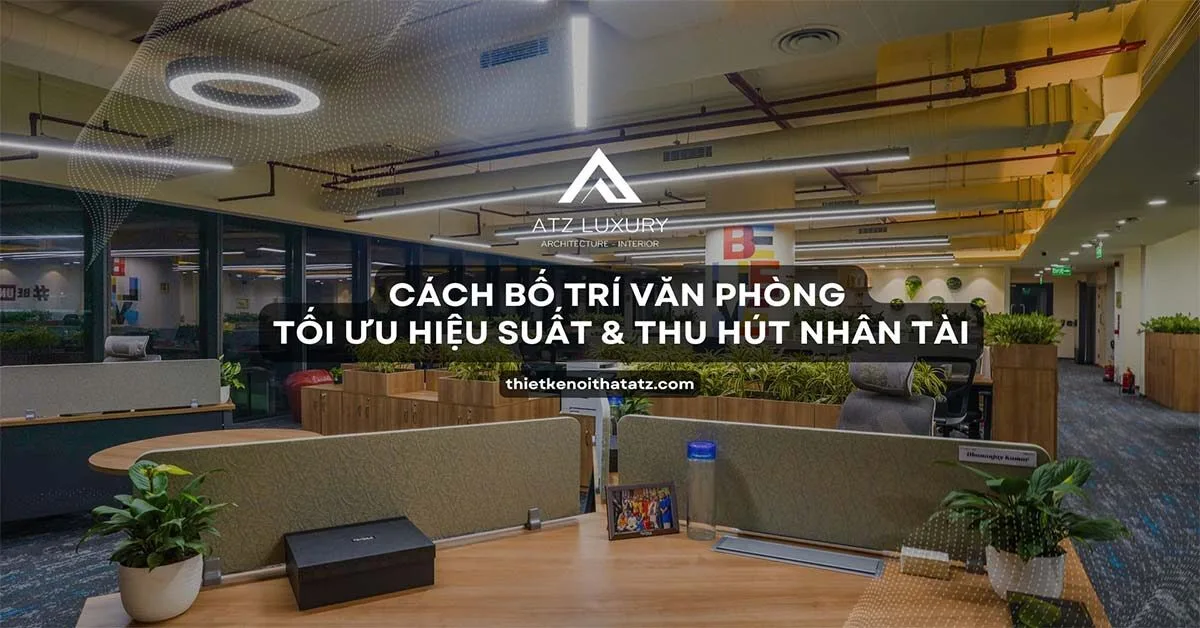
Why is office layout more important than you think? Arranging an office is not just about placing desks and chairs; it is a strategic decision that profoundly impacts business success. In fact, research from the Workplace Design Institute indicates that a well-designed space can boost productivity by up to 20%—a true game-changer. A scientific corporate office layout influences every aspect of the business, from employee health and morale to work efficiency, brand identity, and corporate culture.
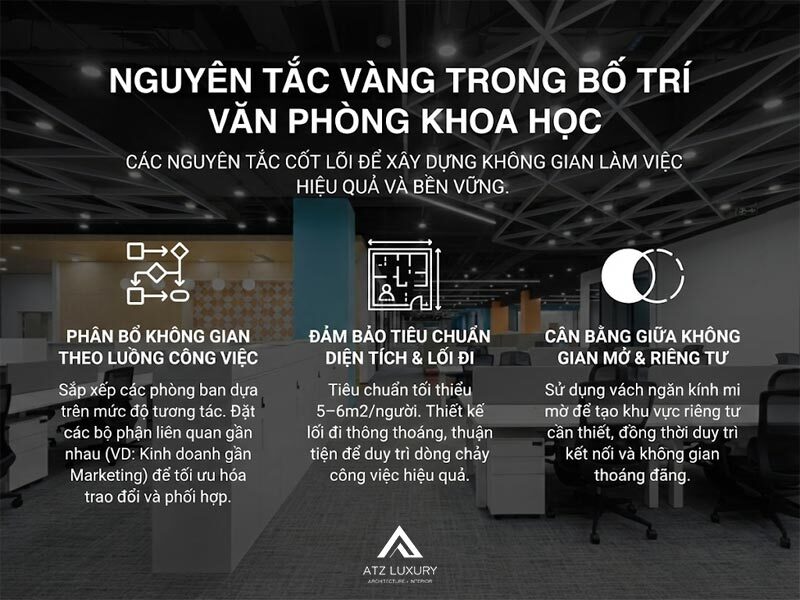
The Golden Rules of Scientific Office Layout
Before jumping on any trends, businesses must master these core principles to build a foundation for an effective and sustainable workspace.
Space Allocation Based on Workflow
The most fundamental principle is to arrange departments based on workflow and interaction levels. Closely related teams should be placed near each other to optimize collaboration. For example, placing the sales team near the marketing department allows these two teams to communicate and execute campaigns seamlessly. Even for less related departments, ensuring clear, unobstructed pathways between areas is essential to maintain an efficient workflow.
Ensuring Space Standards & Clear Pathways
Office space standards require a minimum of 5–6 m² per person. Adhering to this standard is crucial for creating a comfortable work environment that doesn’t feel cramped or stifling. Furthermore, internal traffic flow must be designed to be convenient and clear, allowing employees to move around easily without disrupting others.
Balancing Open Space and Privacy
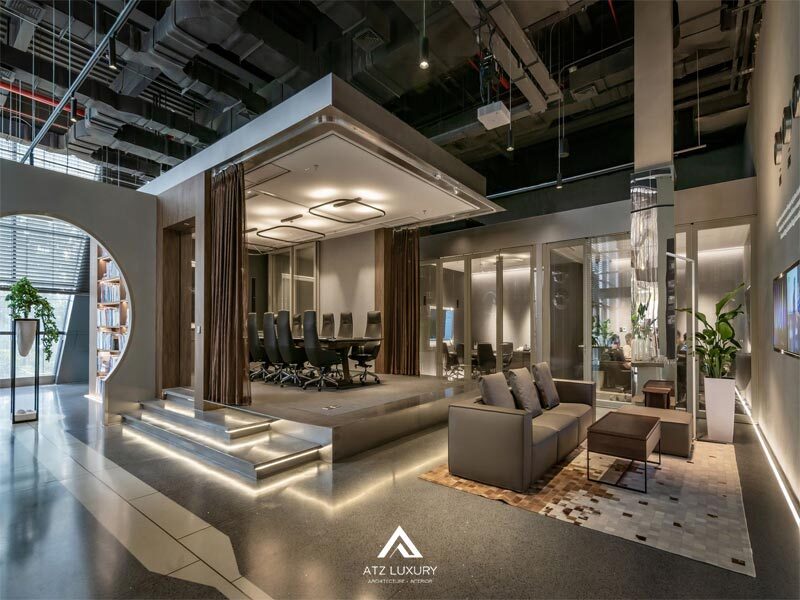
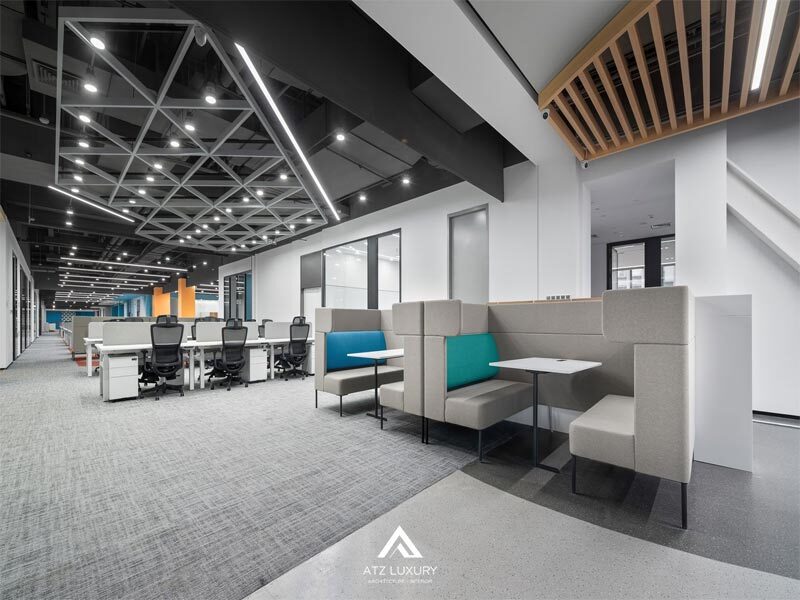
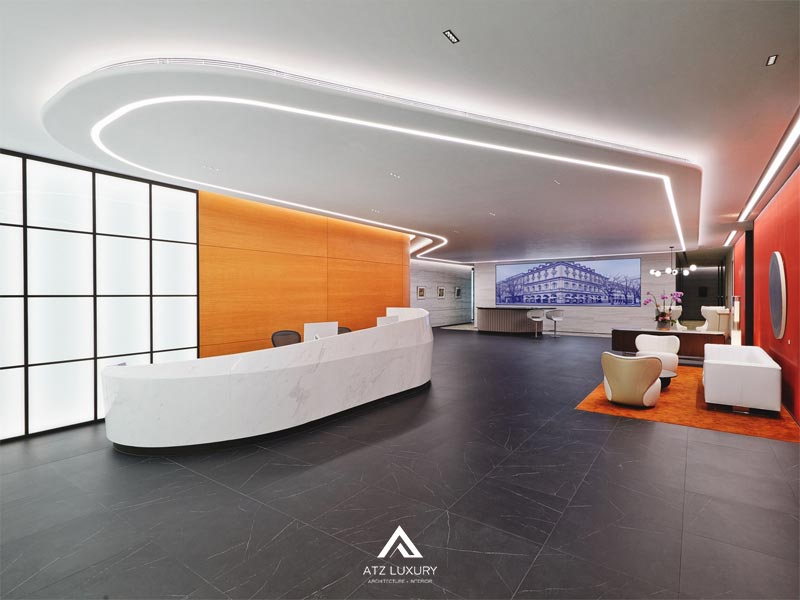
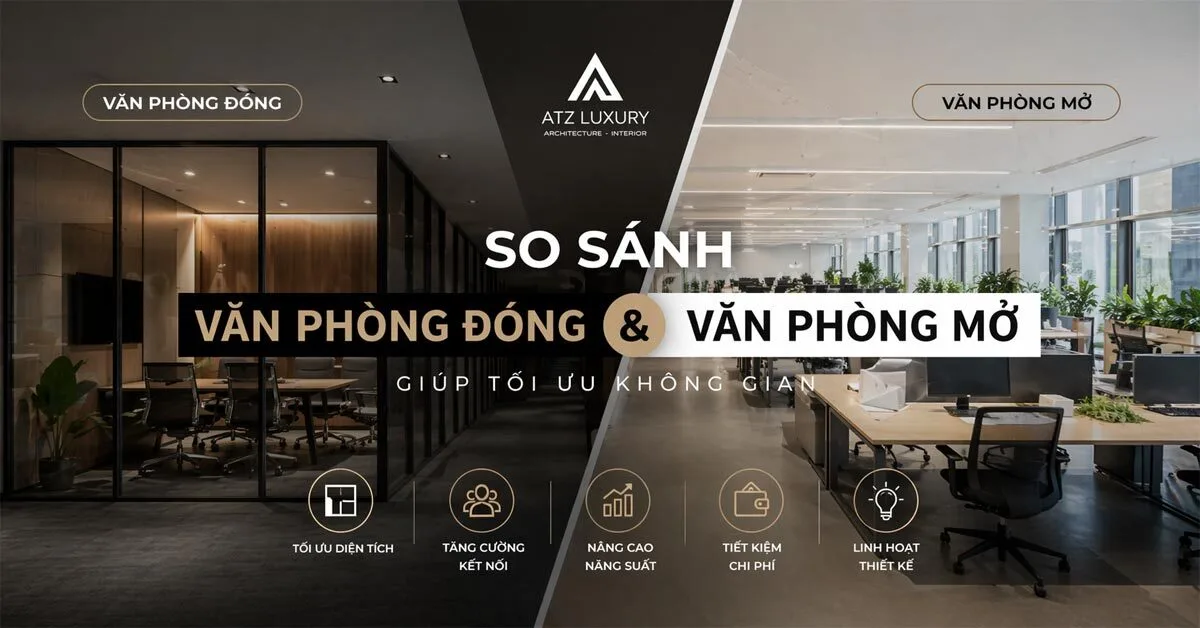
Open-plan offices promote communication and collaboration but can lead to distractions. Conversely, private spaces are necessary for tasks requiring deep focus. An effective solution to balance these two needs is the use of frosted glass partitions. This approach creates necessary private zones while maintaining a sense of connection and an airy feel throughout the office.
Human-Centric Design: The Foundation of an Effective Office
Investing in employee health and comfort is the most strategic and important investment a company can make. Human-centric design is the philosophy behind the most effective workspaces.
Ergonomic Office Design
Ergonomics helps prevent spinal, shoulder, and neck issues caused by prolonged sitting. Setting up a proper workstation is the basic requirement for protecting employee health.
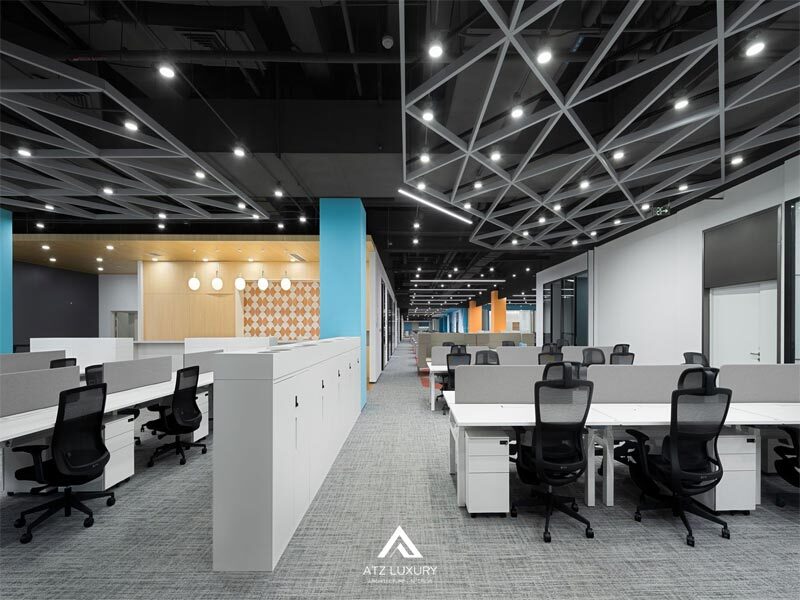
Setting up your chair correctly:
- Seat height: Adjust so your feet are flat on the floor, with a gap of about one fist between the edge of the seat and the back of your knees.
- Back support: Ensure the lumbar support of the chair follows the natural curve of your lower back.
- Armrests: Adjust so your elbows can rest comfortably, keeping your shoulders relaxed.
Arranging desks and equipment:
- Keyboard and mouse: Must be placed slightly lower than your elbows, keeping your wrists straight while typing.
- Monitor: Place at least an arm’s length away, with the top of the screen at eye level.
Lighting and air:
- Lighting: Prioritize natural light by placing desks near windows. Use blinds to control light and position monitors perpendicular to windows to reduce glare.
- Ventilation: Ensure the office is well-ventilated via air conditioning or windows.
Biophilic Design
Biophilic Design is a philosophy that connects people with nature within the workspace. This goes beyond just adding plants; it includes maximizing natural light, prioritizing materials like wood and stone, and applying nature-inspired color palettes.
- Improving air quality: A NASA study showed that plants like Snake Plants, Peace Lilies, and Pothos are highly effective at filtering the air, absorbing toxic compounds, and releasing oxygen.
- Reducing stress: Seeing the green of plants can lower heart rate and cortisol levels (the stress hormone), promoting a calmer state of mind.
- Boosting productivity and creativity: Studies show that biophilic offices can increase productivity by up to 15%.
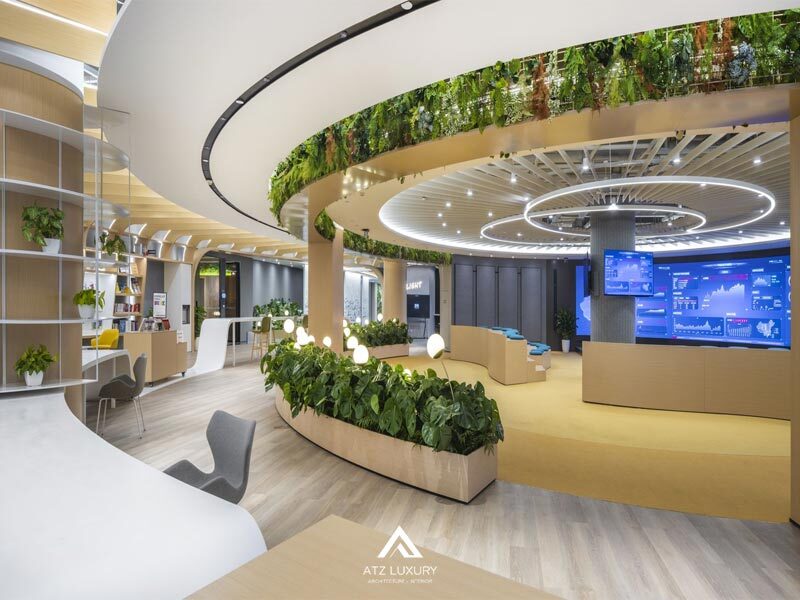
This not only improves employee morale but also serves as a strong statement of the company’s commitment to ESG (Environmental, Social, and Governance) standards, an increasingly important factor in attracting investors and partners.
“Investing in a green office is not a decorative expense; it is a direct investment in the company’s greatest asset: its people.”
Expert tip: Don’t stop at potted plants. Consider using ‘natural sounds’ (like gentle flowing water) in relaxation areas or materials with natural textures (linen, wool) to engage multiple senses and maximize the benefits of biophilic design.
Future-Proofing Your Office Layout
Staying on top of the latest trends is how businesses prepare for the future of work and attract and retain the next generation of talent.
Flexible Spaces and the Hybrid Model
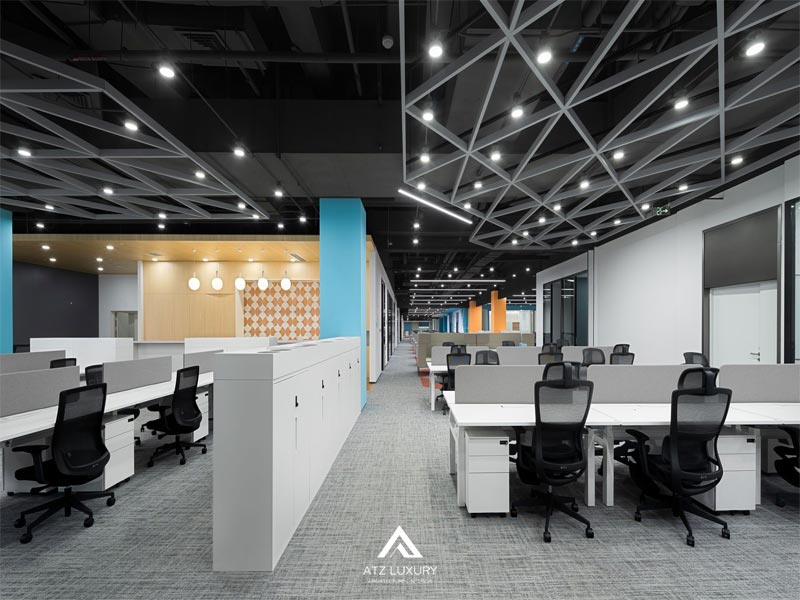
Flexible workspaces and the hybrid model have become the new standard. This model directly addresses the ‘Balancing open space and privacy’ principle mentioned earlier, taking it to the next level with the support of technology and multi-functional furniture. Key features include versatile furniture (height-adjustable desks, movable partitions) and hot-desking, allowing employees to choose a spot that suits their tasks. These models not only increase space efficiency but can also help businesses save up to 30% on rental costs.
Integrating Smart Technology
Smart technology is not just an independent trend; it is a powerful tool to realize ‘Human-centric design’. IoT systems can automatically adjust lighting and temperature, directly improving employee comfort and health. Technologies like IoT (Internet of Things) allow for automated climate and light control to save energy. AI virtual assistants can help book meeting rooms and automate note-taking, optimizing operational processes. These technologies create a more seamless and efficient work experience. Learn more about smart offices.
Aesthetics and Branding
In the war for talent, the office is your most effective marketing weapon. It is not just a place to work; it is a storytelling tool that visually communicates the company’s culture and values to every potential candidate.
- Consistent style: Choose a primary style—Modern, Industrial, or Minimalist—and apply it consistently from furniture to the smallest decorative details.
- Harmonious colors: Use brand colors skillfully as accents, combined with neutral tones to create a pleasant, professional atmosphere.
- Reflecting company culture: An open-plan layout reflects a dynamic, collaborative culture. Conversely, a layout with more private spaces may suit companies that require high levels of focus and seriousness.
Expert tip: Instead of just painting walls in brand colors, express company culture through more subtle details: choose artwork from local artists (showing community engagement) or design a ‘timeline wall’ that tells the story of the company’s growth.
Frequently Asked Questions (FAQ)
How can I make it efficient?
To optimize a small office space, prioritize compact, multi-functional furniture like swivel chairs or desks with built-in storage. Leverage open space and use bright colors to create a sense of spaciousness. Additionally, smart storage solutions like wall-mounted shelves can significantly free up floor space.
Are green offices expensive and hard to maintain?
Not necessarily. There are many green office solutions to fit any budget. You can start with shade-tolerant, low-maintenance plants like Pothos or Peace Lilies. Furthermore, short-term plant rental services are a smart option to save costs and reduce maintenance effort.
Do I need to hire an architect to design the office?
It is not mandatory, but a professional architect or designer offers many benefits. They can help optimize space scientifically, ensure compliance with critical technical standards (such as fire safety), and create a workspace that is both aesthetically pleasing and true to your brand identity.
In summary, corporate office layout is not just about arranging furniture; it is a strategic investment. A well-designed space will boost productivity, attract and retain talent, and build a strong corporate culture. Therefore, the strategic question is no longer ‘should we invest?’ but rather: ‘How can you turn your office into a competitive advantage?’
See more:
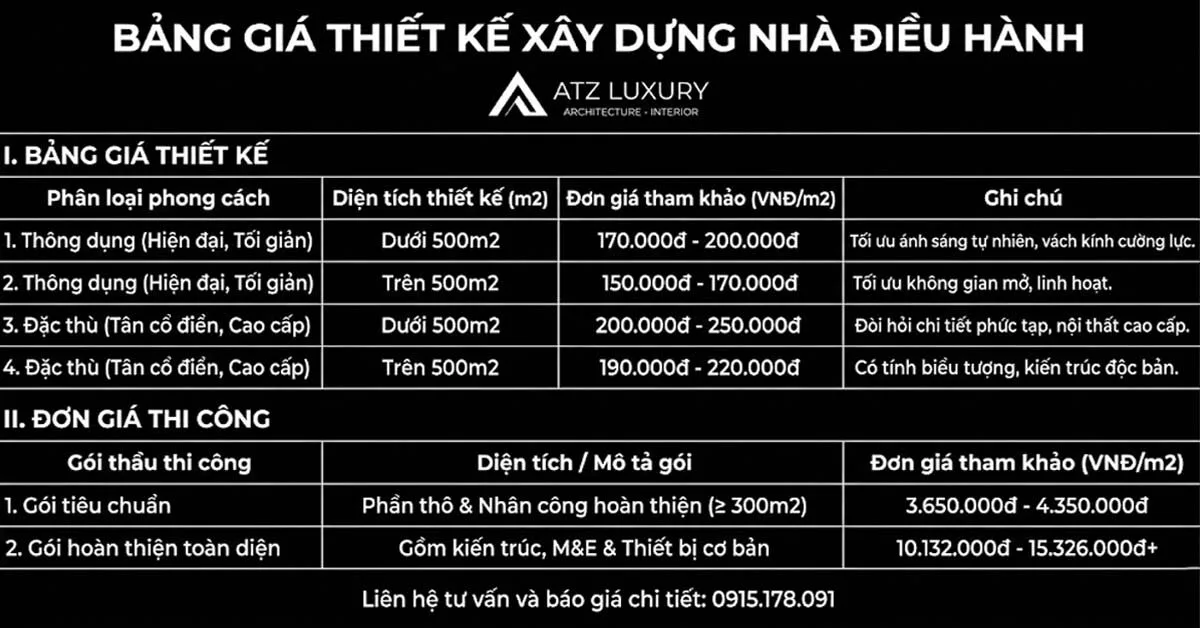
Full-service office interior design & construction quotes
Beautiful office design samples by size & industry
Reputable office design companies and how to choose the right partner
No comments yet!