
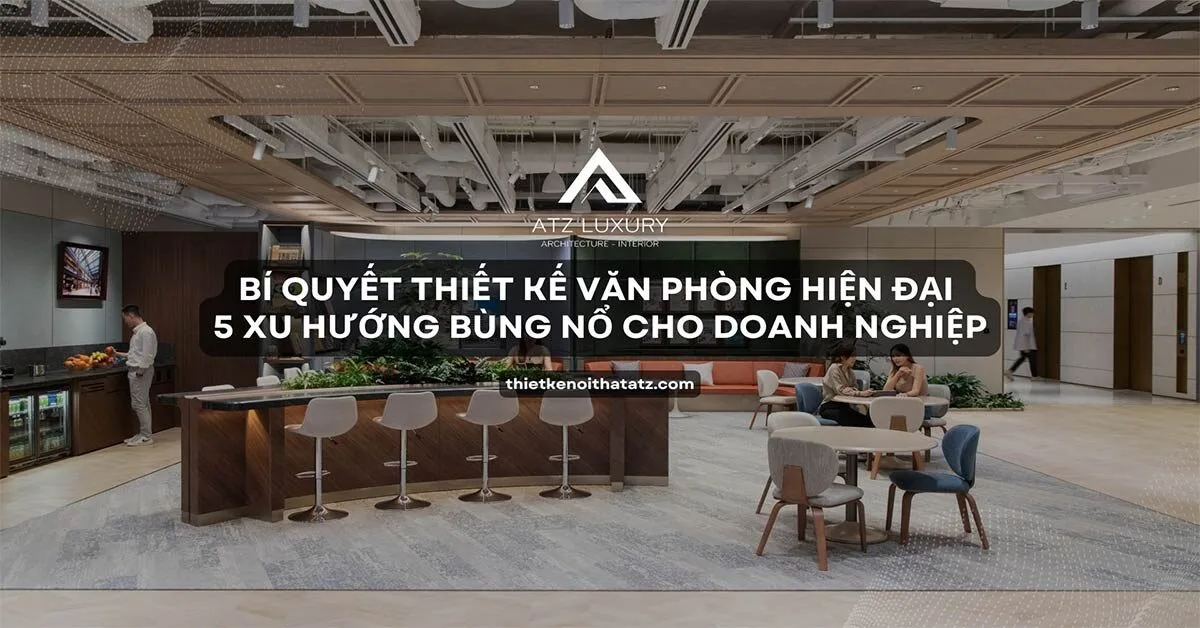
Do you still think an office is just a place to clock in every morning? In an era where “Work-Life Balance” and “Hybrid Working” are redefining how we work, the answer is a resounding no. The modern office has far outgrown its traditional function to become an inspiring space, a hub for team connection, and a strategic asset in attracting and retaining top talent. Mastering these modern office design secrets is not just about optimizing functionality—it is a strategic investment in your most valuable asset: your people.
To stay ahead in the talent war and maximize productivity, businesses must master these 5 strategic secrets to shape an ideal workspace and define their work environment. Dive in with ATZ LUXURY to learn more!
Secret 1: People-Centric Design – Prioritizing Health & Experience
The core and most crucial trend today is placing employees’ physical and mental well-being at the heart of every design decision. A comfortable, healthy work environment not only boosts productivity but also demonstrates corporate care, thereby strengthening engagement.
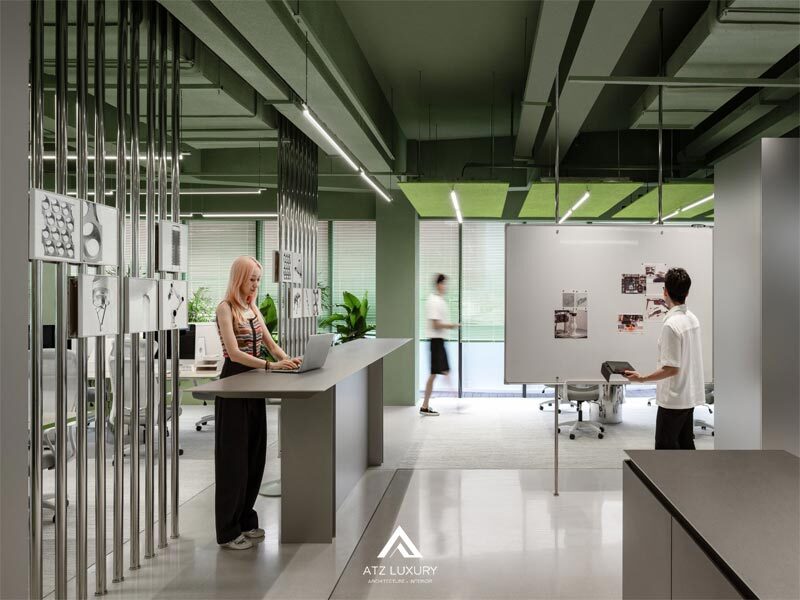
At the forefront of this trend is ergonomic furniture, scientifically designed to support healthy working postures and minimize common health issues like back pain, neck and shoulder strain, or carpal tunnel syndrome. Specific ergonomic solutions include:
- Ergonomic chairs: Featuring breathable mesh backs, headrests, adjustable armrests, and specialized lumbar support to maintain correct posture and reduce pressure on the spine.
- Height-adjustable desks: Allowing employees to easily switch between sitting and standing throughout the day, which relieves spinal pressure, improves blood circulation, and enhances alertness.
- Supportive accessories: Items such as footrests, monitor arms for proper eye-level viewing, and anti-glare desk lamps all contribute to a safe and comfortable workspace.
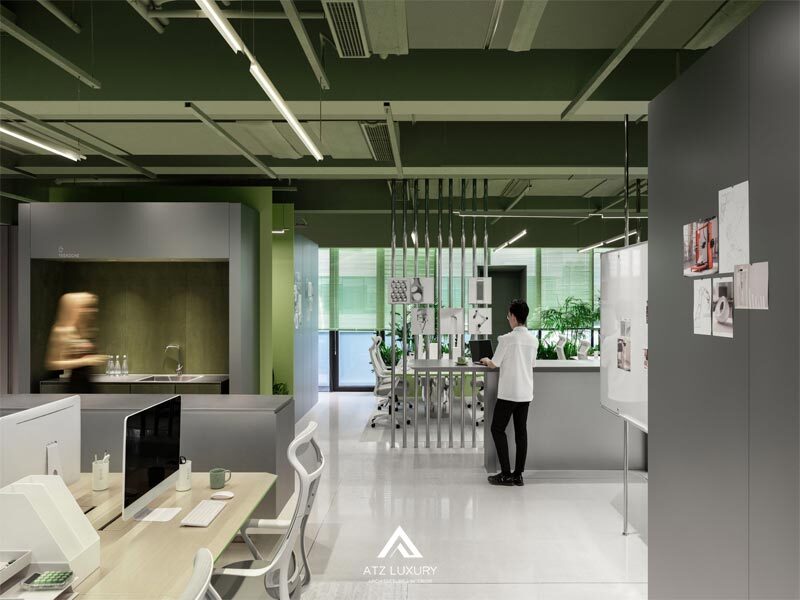
This is a direct investment in reducing sick days, fostering deep work, and showcasing a genuinely caring corporate culture—a key differentiator in today’s talent acquisition landscape.
Secret 2: Flexible & Versatile “Living” Spaces (Activity-Based Working)
The traditional assigned-desk model where “everyone has a fixed spot” has become obsolete, especially with the surge of hybrid working models. Instead, Activity-Based Working (ABW) is taking center stage.
In reality, completely open-plan offices often face two major challenges: uncontrolled noise that hinders deep focus, and a lack of privacy for important calls or confidential tasks. The ABW model was created to thoroughly solve this problem by organizing the workplace into a diverse ecosystem, allowing employees to freely choose the area best suited to their current task.
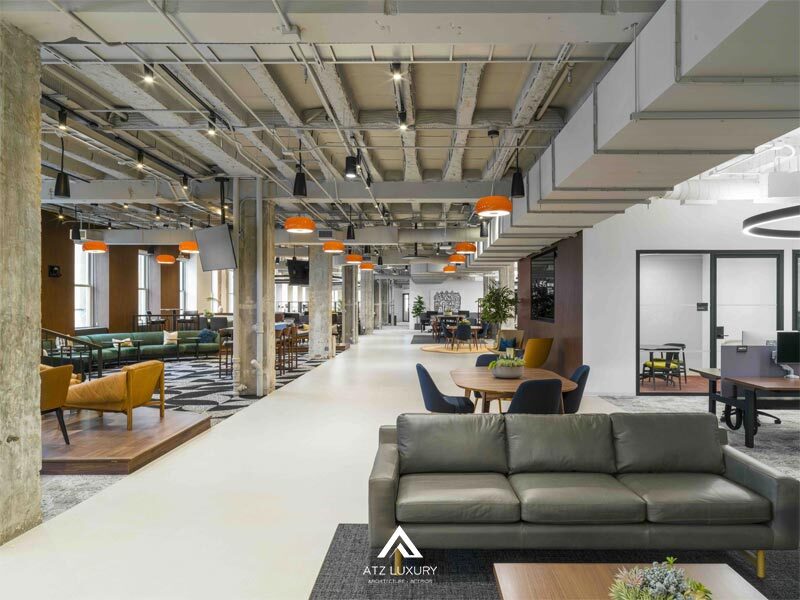
Below are typical functional zones within an ABW office:
| Functional Zone | Purpose & Design Features |
| Focus Zone | Absolute quiet: Utilizes sound-absorbing materials, high partitions, or acoustic pods. Ideal for coding, report writing, or deep data analysis. |
| Collaboration Zone | Creative & Dynamic: Equipped with team tables, mobile whiteboards, and sofas. Encourages brainstorming and breakthrough discussions. |
| Phone Booth / Small Meeting Room | Private & Soundproof: Designated for video calls, important phone conversations, or quick 1-on-1 meetings without disturbing the common area. |
| Social Hub | Energy recharging: Pantry and recreational areas where employees can unwind and naturally foster social interactions. |
Secret 3: Integrating Smart Office Technology
A Smart Office combines cutting-edge technology with physical space to create a comfortable, efficient, and automated work environment. Technology is no longer just a support tool—it is an integral part of the work experience.
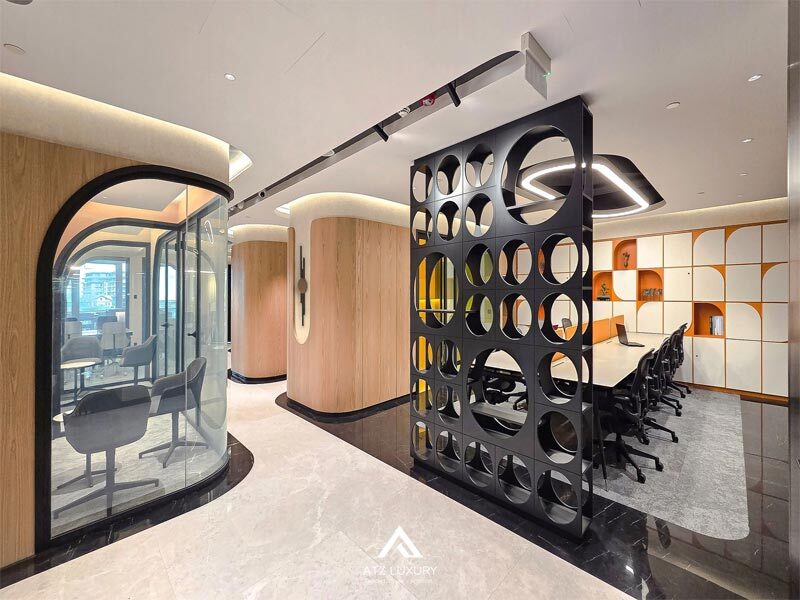
Core technological applications shaping this trend include:
- Automated control systems (IoT): Smart sensors automatically adjust lighting and temperature based on human presence and external weather conditions, delivering maximum comfort while optimizing energy savings.
- Smart space management: Meeting room booking systems and desk hoteling via mobile apps empower employees to manage their schedules proactively while optimizing corporate resources.
- Smart security: Biometric access control solutions such as facial recognition, fingerprint scanners, and AI-powered cameras guarantee absolute office safety without the need for traditional keycards.
- Virtual assistants and interactive devices: AI virtual assistants help schedule meetings and retrieve documents, while voice-activated devices let employees interact with their environment naturally and swiftly.
“Integrating technology into workplace management and operations not only elevates employee comfort but also boosts operational efficiency and optimizes energy consumption.”
Secret 4: Green & Sustainable Design (Biophilic Design)
Amid climate change and heightened health awareness, green office design has become an inevitable trend in Vietnam. At its core is “Biophilic Design”—an approach aimed at connecting people with nature right in the workplace. Research shows that exposure to natural elements can reduce stress levels by up to 15% and boost productivity by up to 6%, making green design an effective HR management tool.
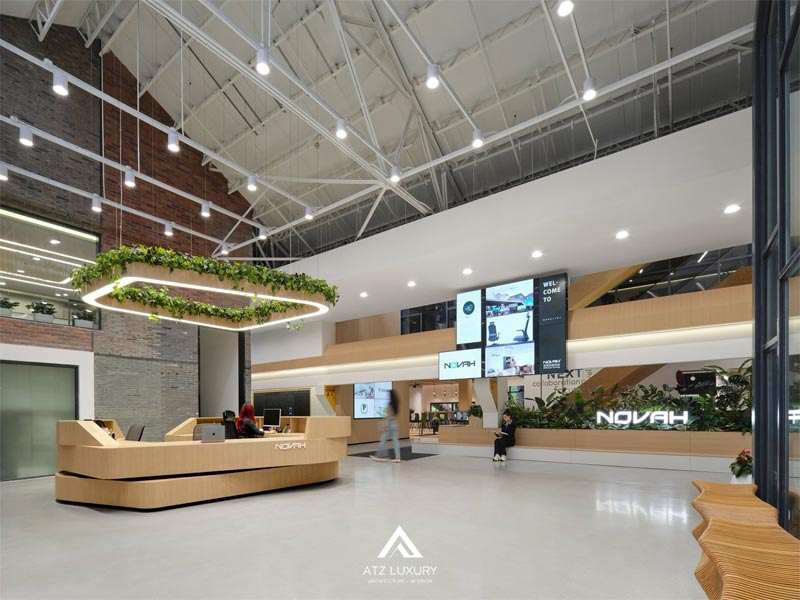
Key elements of a green office include:
- Expanding greenery: Beyond small desk plants, modern green offices incorporate large-scale features like green walls and hanging ceiling gardens to improve air quality, reduce stress, and foster a fresh working atmosphere.
- Optimizing natural light and ventilation: Designs prioritize large glass windows, skylights, and open layouts to maximize sunlight penetration, cutting down on electricity while providing an energized, pleasant experience for staff.
- Using eco-friendly materials: Preference is given to natural elements like wood and stone, alongside sustainable recycled materials. Special attention is paid to low-formaldehyde emission materials (meeting E0/E1 standards) to guarantee user safety.
Major enterprises also aim for international standards like LEED to reinforce their sustainability commitments. Alongside international benchmarks like LEED, Vietnamese businesses can also pursue LOTUS certification—a rating system developed specifically by the Vietnam Green Building Council (VGBC) to suit local climate conditions, culture, and building materials.
Secret 5: Brand Identity & Corporate Culture
The workspace is a powerful communication tool and the most visual reflection of a company’s culture and core values. A successful office design must mirror its distinct identity, instilling pride and a sense of belonging in employees.
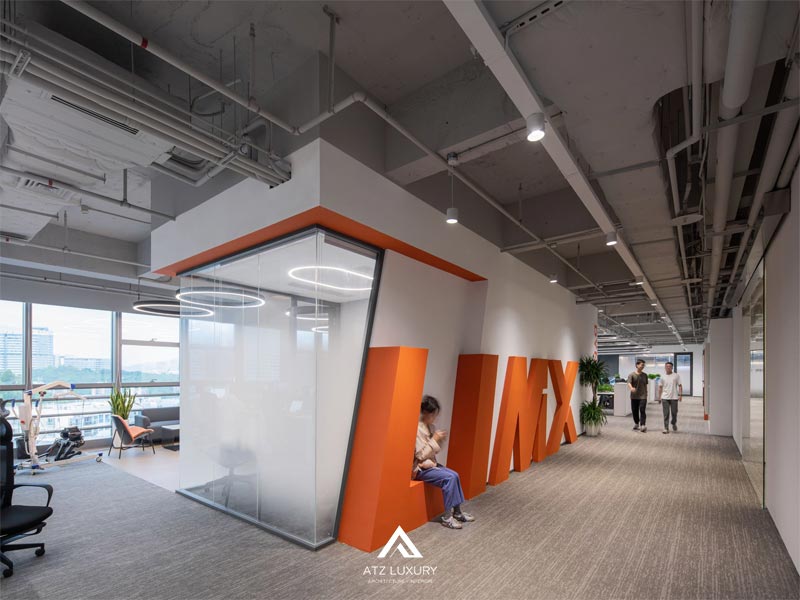
Based on the “Competing Values Framework,” spatial design can be tailored to support different cultural archetypes:
- Collaborative Culture: Prioritizes open lounge areas, large project tables, and writable walls to spark spontaneous interactions and team bonding.
- Creative Culture: Requires modular spaces with easily movable and reconfigurable furniture (such as wheeled desks and mobile partitions) to accommodate workshops, trials, and projects demanding continuous breakthroughs.
- Competitive or Control Culture: Typically features clearer structures, balancing individual workstations with dedicated, purpose-driven common areas.
Color also plays a pivotal role. Applying the 60-30-10 color rule (60% dominant color, 30% secondary color, 10% accent color) incorporating brand colors helps create harmony and professionalism. Furthermore, Environmental Graphic Design (EGD)—such as wall-mounted quotes and core values—effectively communicates messaging and reinforces company culture.
The year 2025 marks a powerful transformation in the workplace, revolving around 5 core secrets: human-centric design, flexible spaces, smart tech integration, sustainable green design, and corporate culture expression. Mastering these 5 trends is no longer optional—it is a mandatory requirement for visionary leaders who understand that the workspace is a strategic tool to shape the future of their business. A well-designed office acts as a lever to attract top talent, increase productivity, and build a robust cultural foundation.
Is your workspace ready for the future? Start building your ideal environment today!
Read more:
No comments yet!