
Many businesses are unknowingly holding back their greatest potential with a stifling, uninspiring workspace. An office is much more than just a place to work; it is a strategic tool and a critical factor that directly impacts employee creativity, engagement, and overall business success. Reality has proven this time and again. Statistics show that up to 51% of employees feel disconnected from their company simply because they lack a comfortable office environment. Therefore, investing in professional, intentional office workspace design is no longer just an option—it is an absolute necessity for sustainable growth.
The Outstanding Benefits of a Well-Designed Office Workspace
Investing in office workspace design is an investment in a company’s most valuable asset: its people. A cleverly crafted space is not only a reflection of your brand identity but also delivers the following strategic benefits:
- Boosts productivity: By optimizing workflows and minimizing distractions such as noise, a well-designed space helps employees maintain high focus and complete tasks more efficiently.
- Fosters creativity and innovation: Open, flexible, and inspiring spaces facilitate the free exchange of ideas, encouraging breakthrough thinking and cross-departmental collaboration.
- Enhances employee experience and satisfaction: Offices equipped with amenities like break areas, ergonomic furniture, and green spaces demonstrate that a company truly cares, helping employees feel valued and more engaged.
- Attracts and retains top talent: In a competitive job market, a professional, modern, and flexible work environment is a deciding factor that helps a company stand out and hold onto exceptional individuals.
- Reflects company culture and elevates brand value: Office design is the most visual way to communicate core values. An open space conveys transparency and collaboration, while investments in employee wellness showcase a human-centric culture.
Key Principles in Office Workspace Design
To turn these benefits into reality, leaders must master the following core design principles—the true keys to creating a genuinely high-performing workspace.
Layout & Space Planning
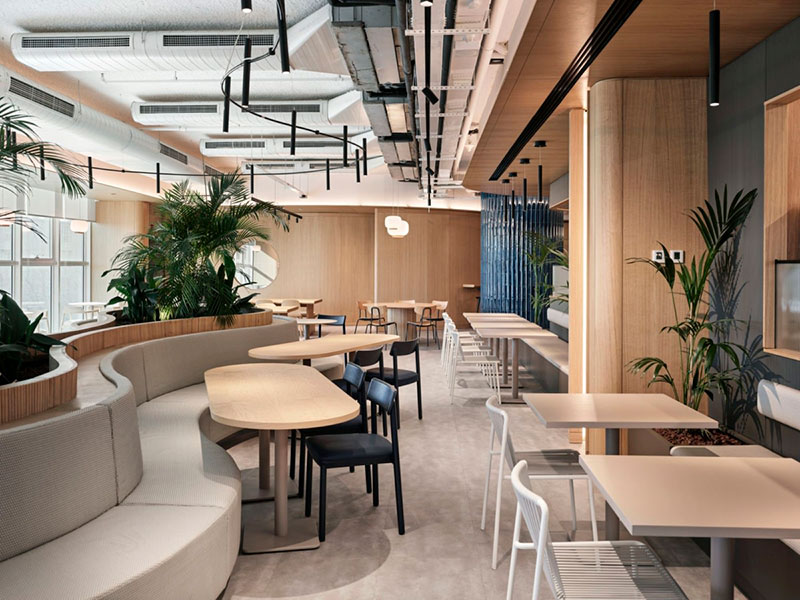
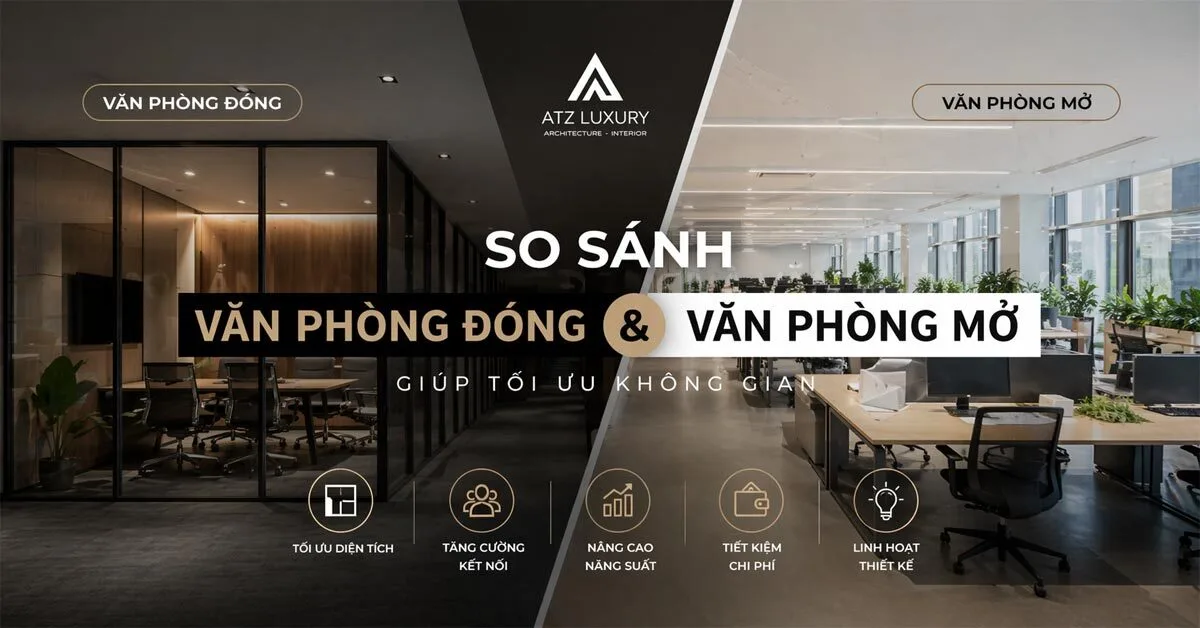
Space planning is the foundation that dictates an office’s operational efficiency. Rather than simply choosing between closed offices (private, focused) and open-plan offices (interactive, communicative), modern trends have evolved into more strategic models to accommodate diverse work needs.
- Hybrid Office: This is not just a layout style but an operational model combining in-office and remote work. The physical space is engineered to support this model, optimizing square footage since not all employees are present at the same time.
- Agile Office: This is a task-based working environment. Instead of assigning every employee a fixed desk, the space is divided into multi-functional zones: quiet zones for deep concentration, open spaces for team discussions, meeting pods for private calls, and relaxation areas. Employees are free to move between zones depending on their immediate workflow requirements.
- Hot Desking: A specific strategy within hybrid or agile offices. Employees do not have fixed desks; instead, they choose any available workspace upon arriving at the office. This model optimizes space and costs, proving especially effective for companies with high rates of remote work.
Lighting Systems
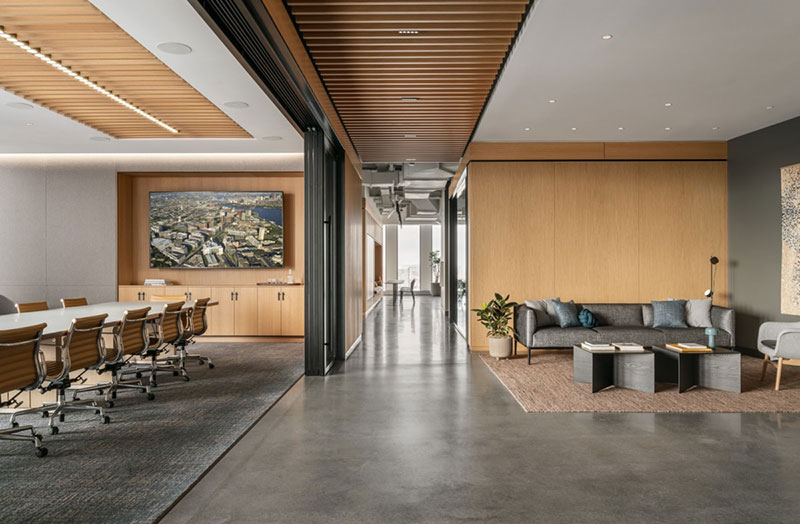
Lighting directly influences health, mood, and work performance. Poor lighting can cause eye strain, headaches, and a drop in concentration. A scientific lighting system requires a harmonious balance of natural and artificial light.
- Maximize natural light: Prioritize large windows and glass partitions to welcome natural daylight, keeping the space airy and energy-efficient.
- Use bulbs with appropriate color temperatures: Choose LEDs with color temperatures close to daylight (roughly 5000–6500K) to produce a crisp, cool white light that boosts alertness and focus.
- Strategically position fixtures: Ensure light is evenly distributed throughout the space, avoiding glare or shadows on computer screens and work surfaces.
Read more: Comprehensive Office Lighting Standards according to TCVN. You can also reference TCVN 4601:2012 for workplace design requirements.
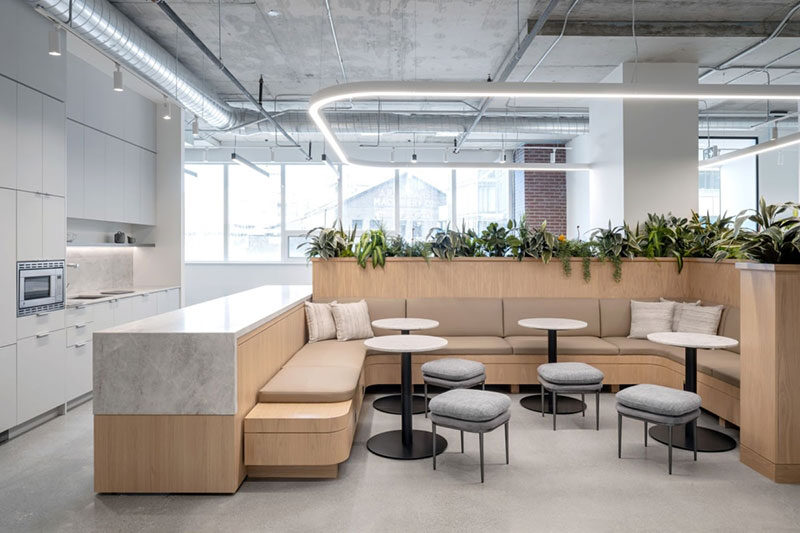
The Power of Color
Color is much more than mere decoration; it wields a powerful influence over mood, emotion, and productivity. Smart color choices can foster a positive, inspiring work environment.
| Color Palette | Impact & Suitable Applications | Design Application Suggestions |
| Blue | Stimulates logical thinking and creativity, inspiring a sense of trust and tranquility. | Ideal for advertising, design, marketing agencies, or meeting rooms that require heavy problem-solving. |
| Green | Creates a sense of balance and relaxation, helping to reduce eye strain and visual fatigue. | Great for high-focus industries, shared workstations, or relaxation zones. |
| White | Creates a bright, expansive space with a clean, professional aesthetic. | Serves as the primary neutral base. Must be paired with accent colors to avoid monotony and emptiness. |
| Red / Orange / Yellow | Stimulates energy, increases heart rate, and brings warmth. | Best reserved for accent areas (pantries, break rooms) to prevent tension and distraction during continuous work. |
| Black / Gray | Conveys strength, authority, and status while encouraging focus and deep thinking. | Suited for executive offices or used as accents for furniture and partition walls. Pair with bright colors to create contrast and avoid a gloomy feel. |
Read more: How to Coordinate Colors for Office Spaces
Furniture & Ergonomics
Investing in ergonomic furniture isn’t an expense—it’s a strategic investment in human capital. Ergonomics is the science of designing a workspace tailored to the user, minimizing health risks while maximizing productivity. This delivers a clear return on investment (ROI) by lowering sick leave rates due to musculoskeletal issues and sustaining long-term employee focus.
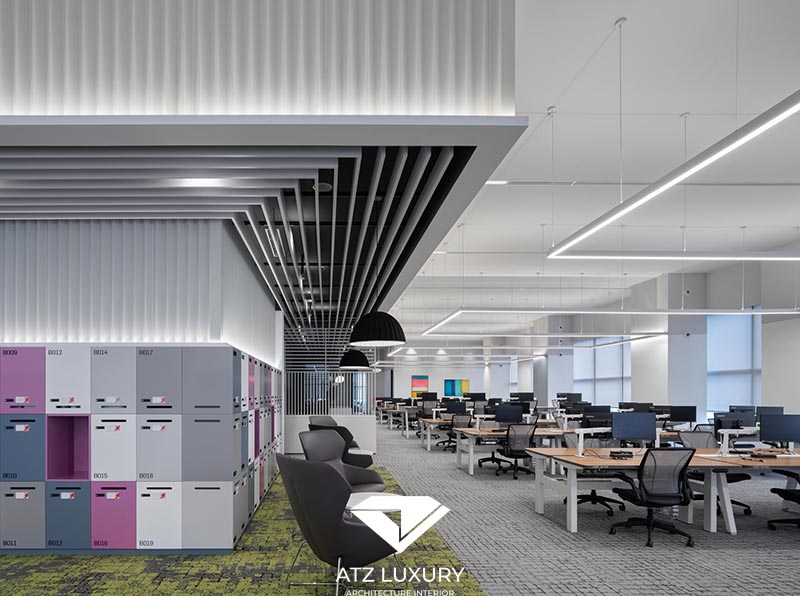
Key pieces of furniture worth investing in include:
- Ergonomic chairs: Featuring adjustable height, tilt angles, and lumbar support to minimize the risk of back, neck, and shoulder pain.
- Smart standing desks: Allowing employees to easily alternate between sitting and standing postures, improving blood circulation and reducing fatigue.
- Storage solutions: Filing cabinets, mobile pedestals, and bookshelves arranged logically to keep the space clean, tidy, and free of clutter-induced distractions.
???? Read more: Latest TCVN Office Area Standards per Person, helping businesses easily determine actual spatial needs and optimize costs during initial planning.
Acoustics & Privacy
Noise is a leading culprit behind lost concentration and diminished performance, particularly in open-plan offices. Creating quiet spaces and ensuring necessary privacy are non-negotiable. Privacy is essential for confidential meetings, critical negotiations, or handling sensitive information.
Effective noise-control solutions:
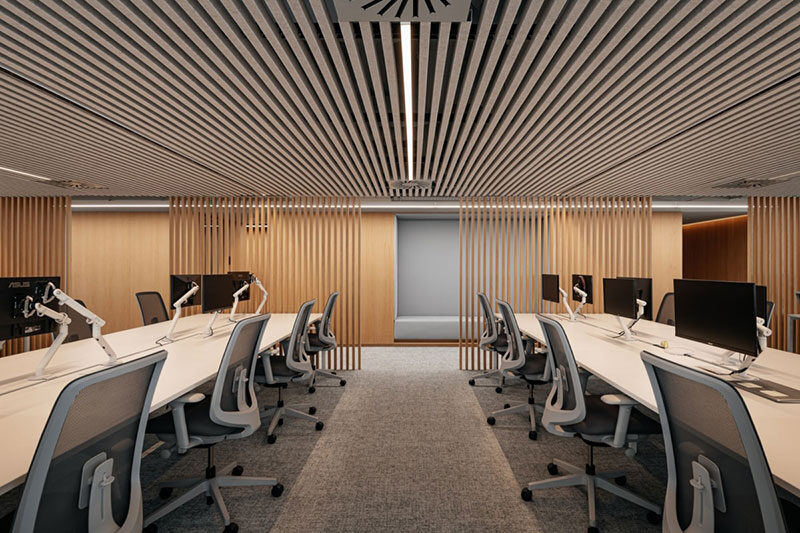
- Use sound-absorbing partitions or acoustic wooden panels on walls and ceilings to capture sound and reduce echoes.
- Design phone booths or quiet zones for tasks requiring absolute concentration.
- Use carpeting to muffle footsteps and transit noise.
Specialized acoustic materials can be sourced from suppliers like Remak.
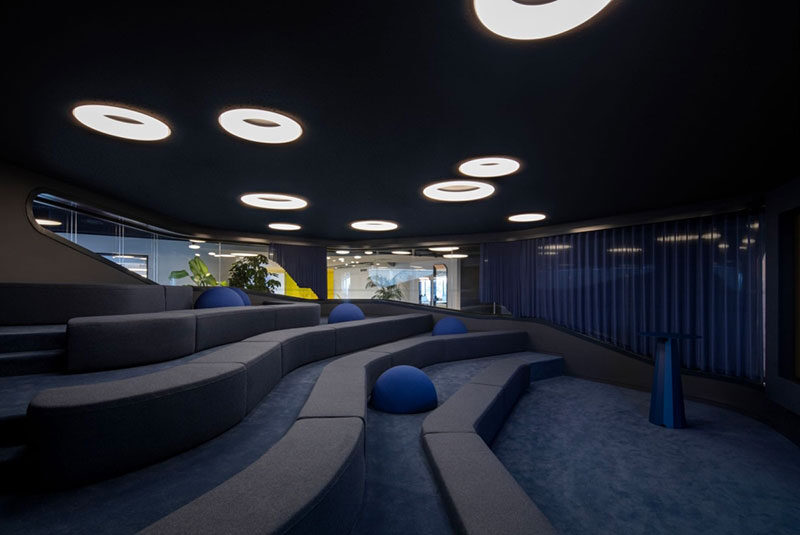
Bringing Nature into the Office
Biophilic design is a rising trend that integrates natural elements into the workplace, proven to deliver extraordinary benefits. Exposure to greenery helps alleviate stress, improves air quality, and enhances mental well-being.
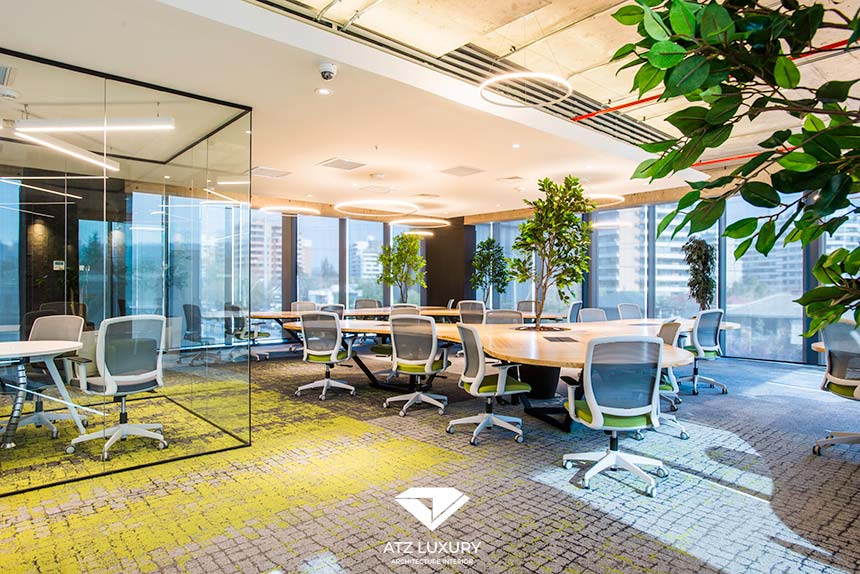
Research from Washington State University indicates that green offices can:
- Boost productivity by up to 12%.
- Enhance creativity by up to 15%.
- Purify the air, lower stress, and significantly improve employees’ mental health.
You can easily incorporate natural elements by placing potted plants at desks and hallways, installing a striking green wall, or prioritizing natural interior materials like wood and stone.
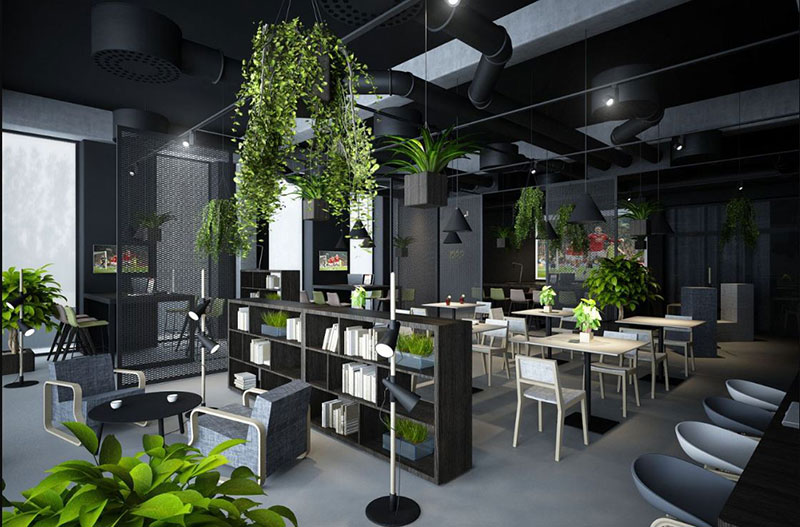
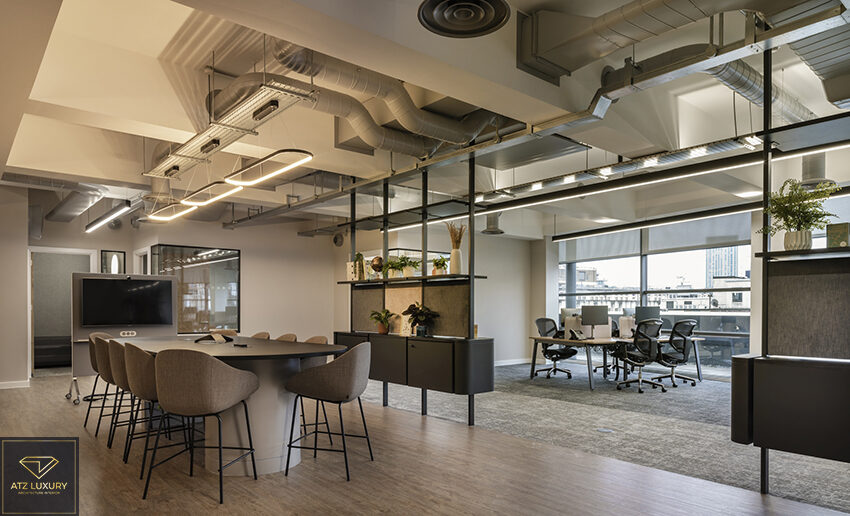
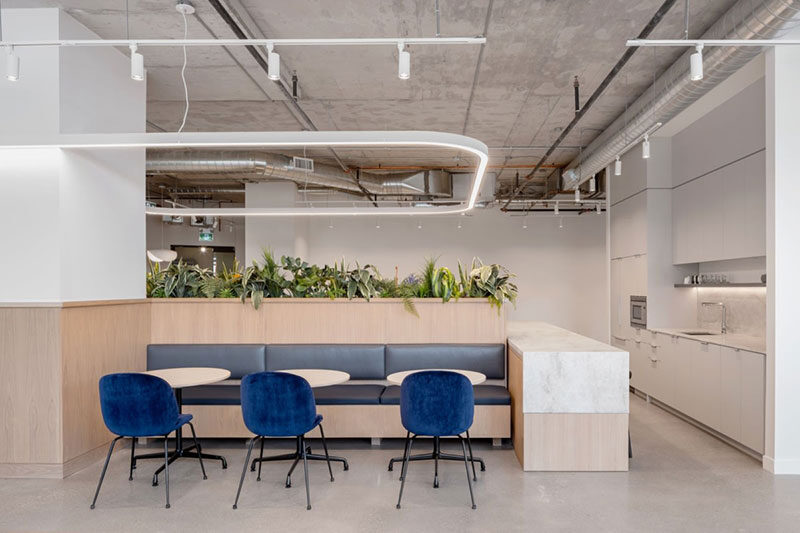
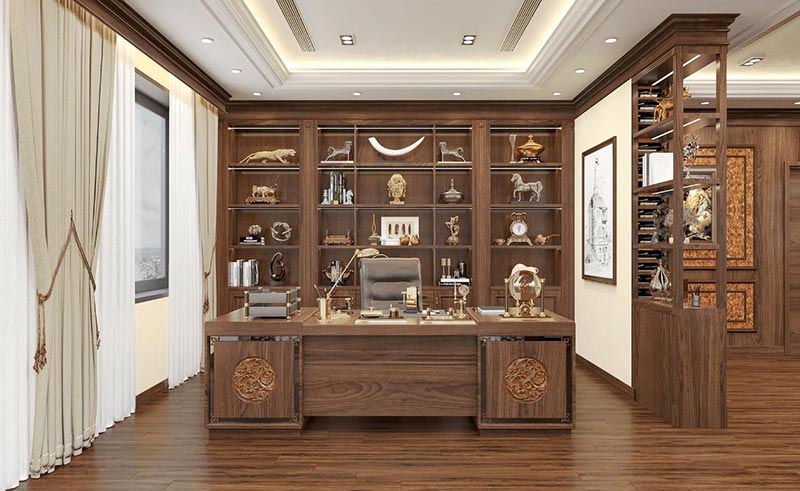
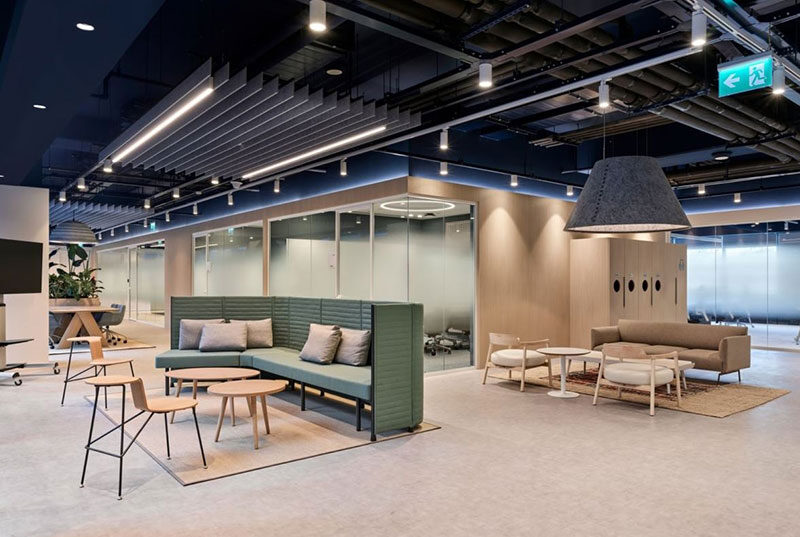
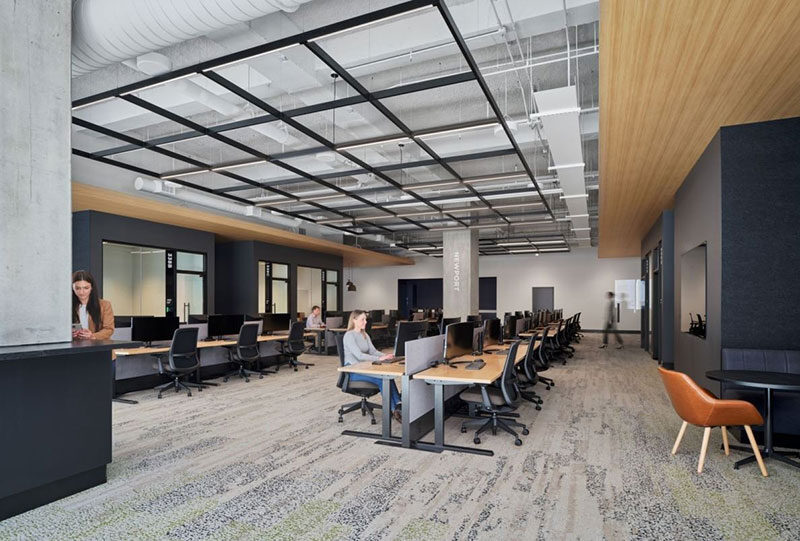
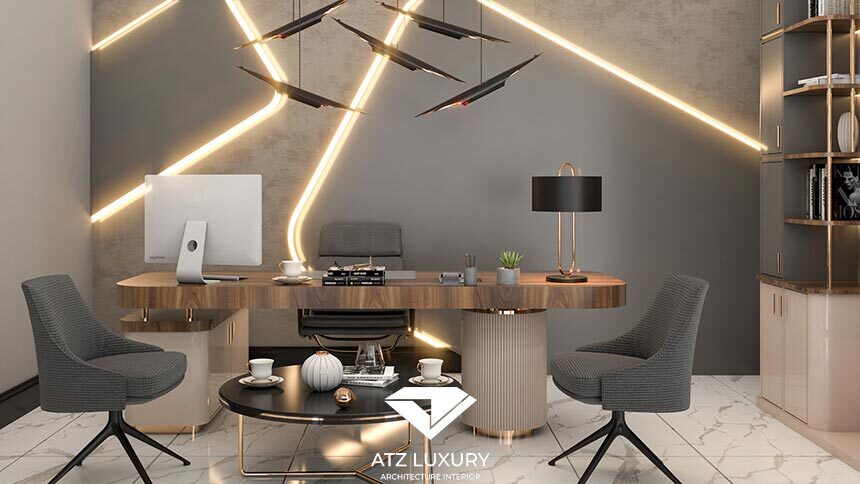
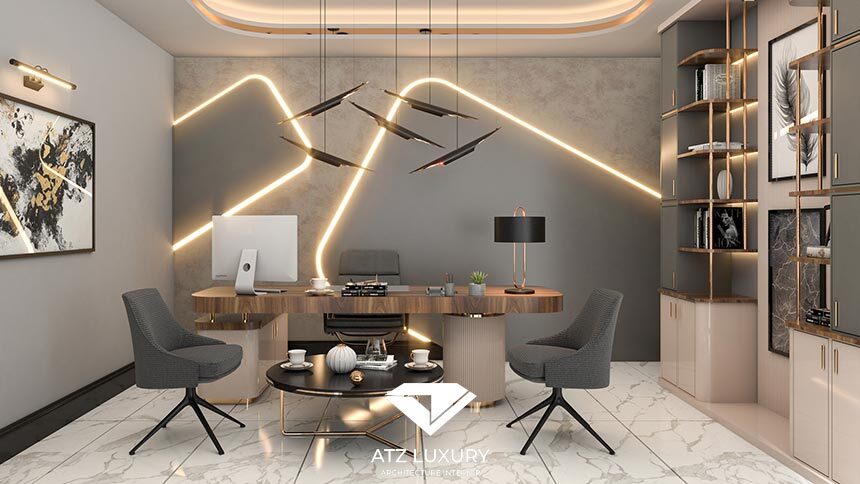
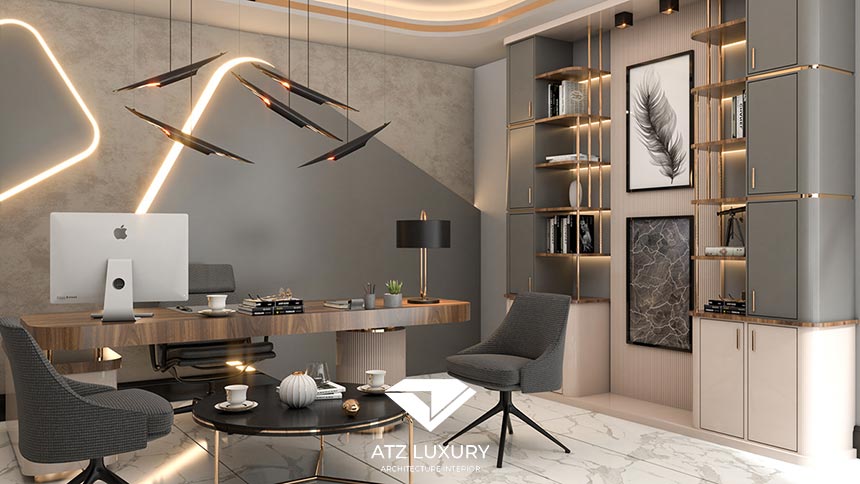
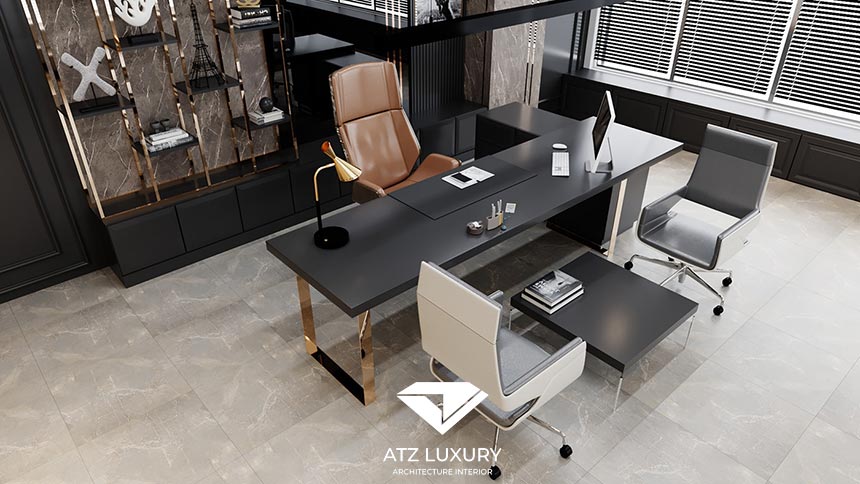
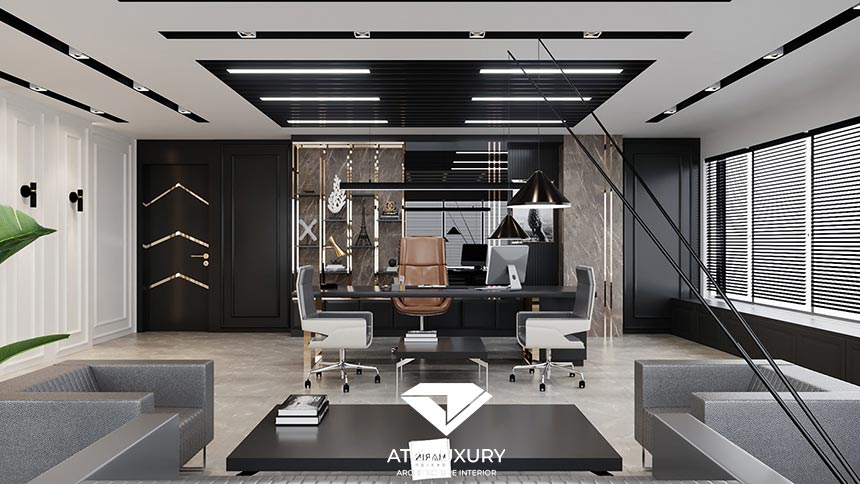
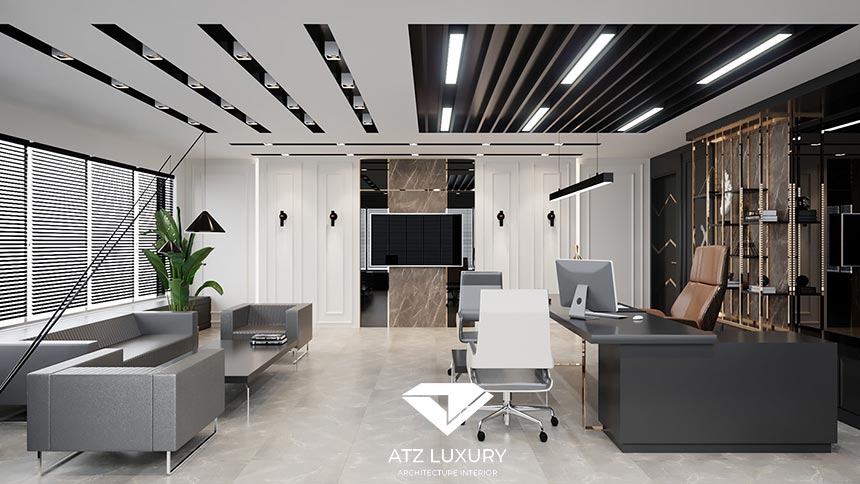
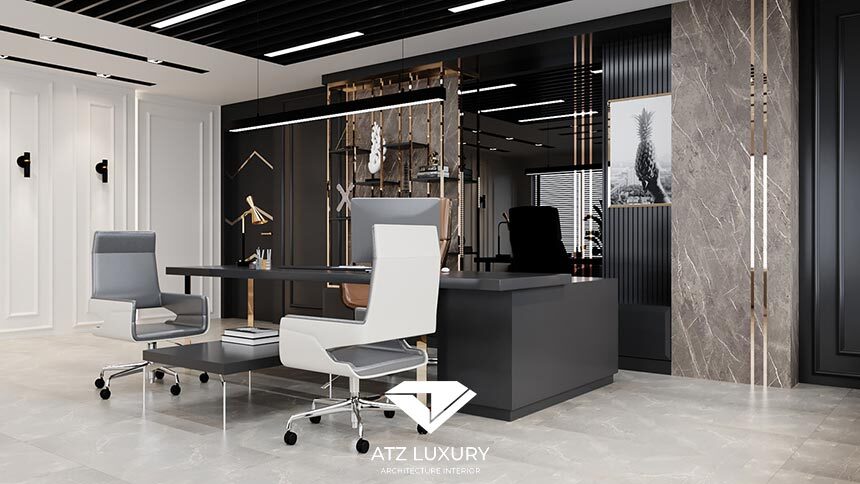
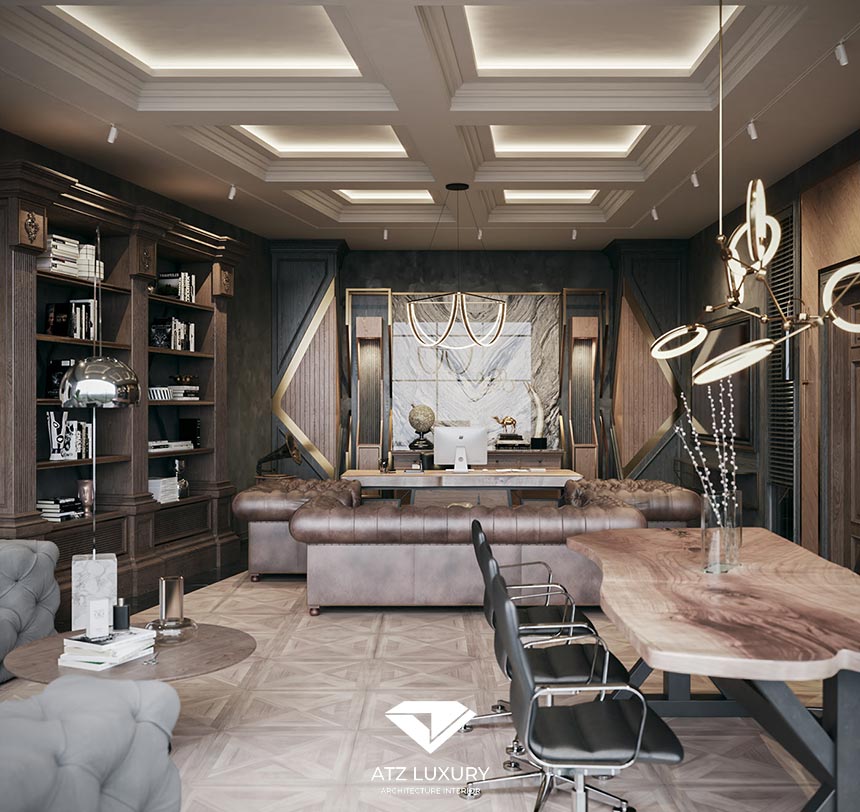
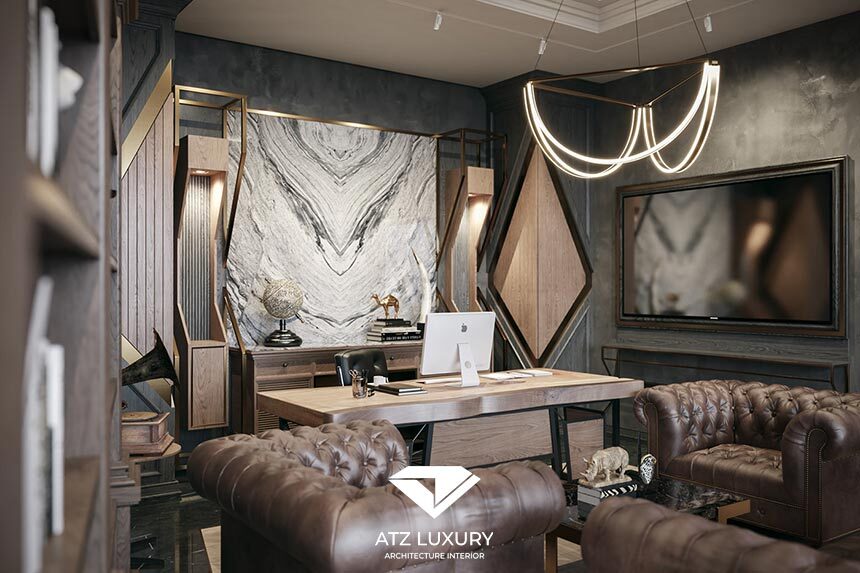
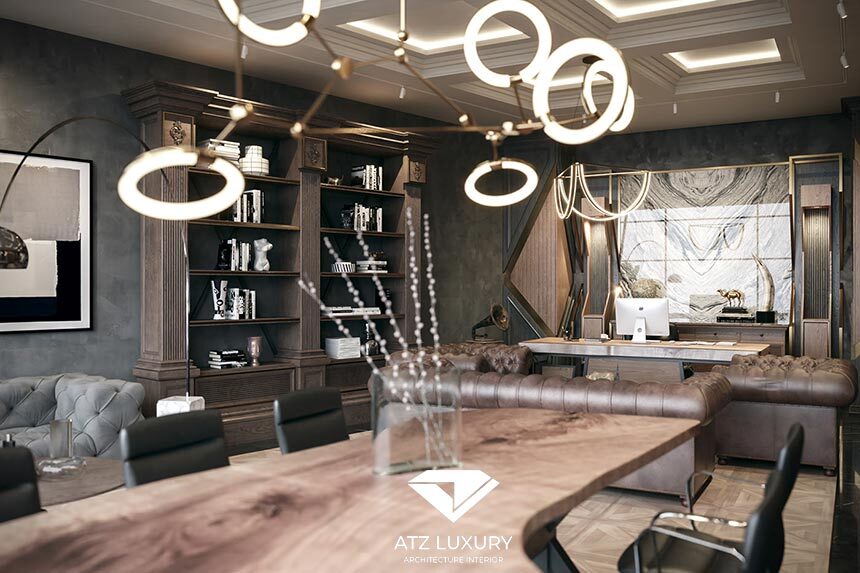
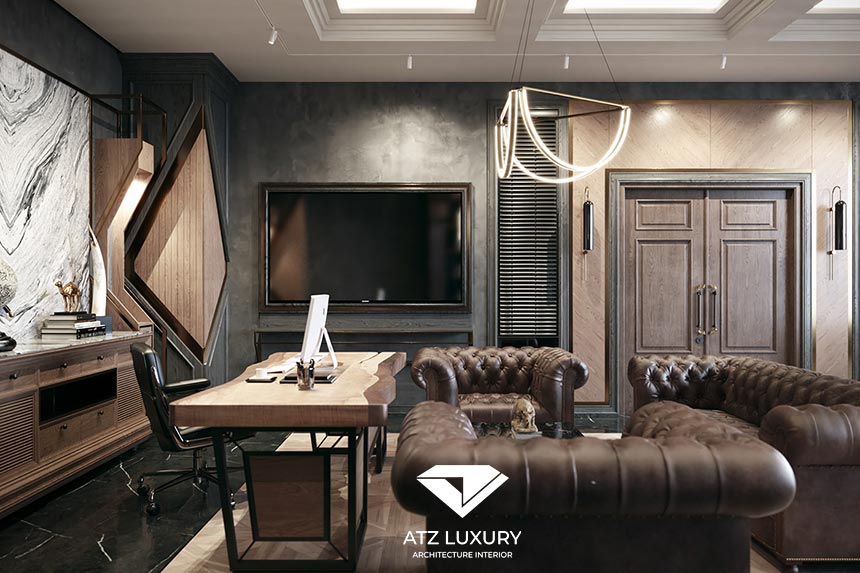
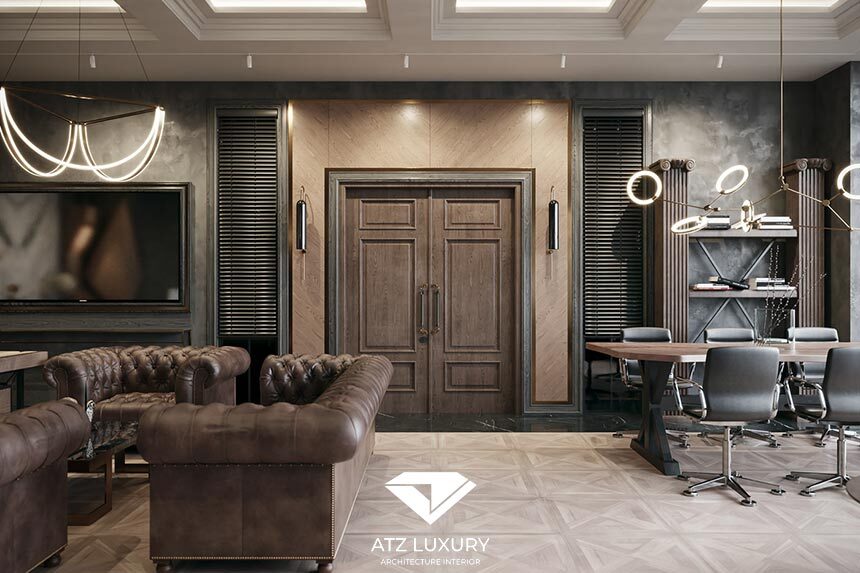
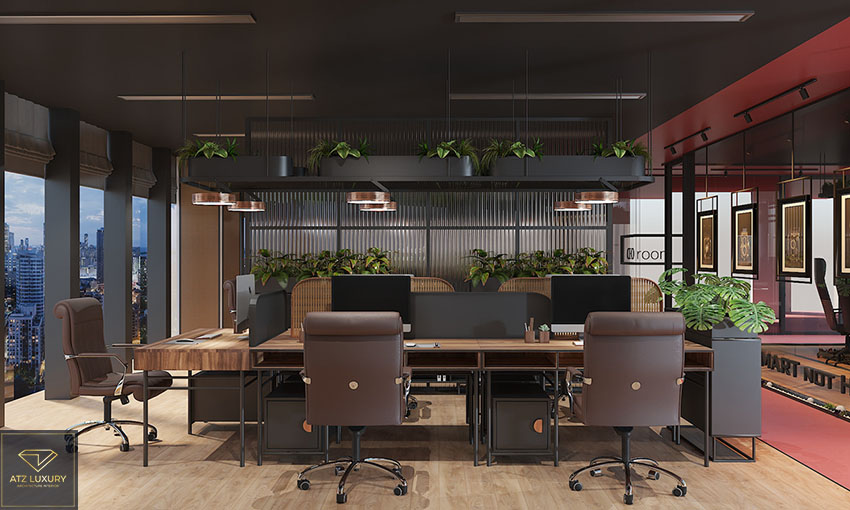
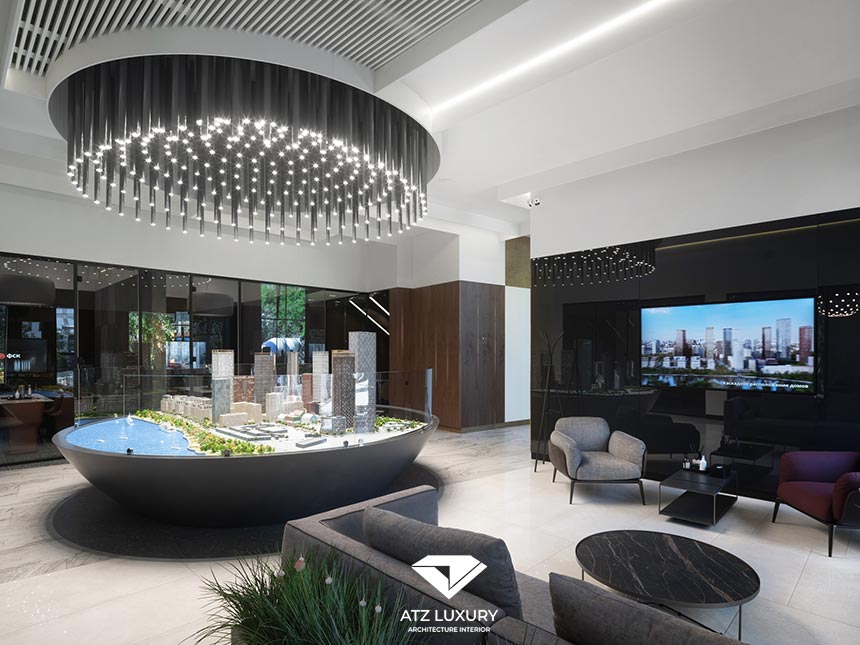
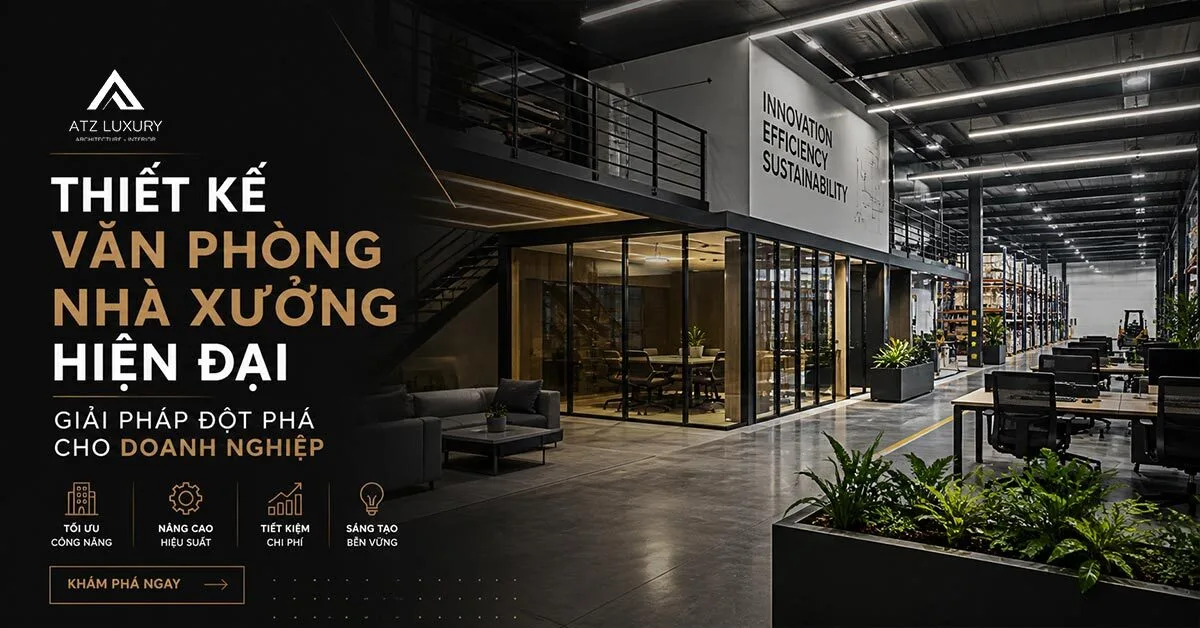
30+ Beautiful, Highly Functional Office Workspace Designs
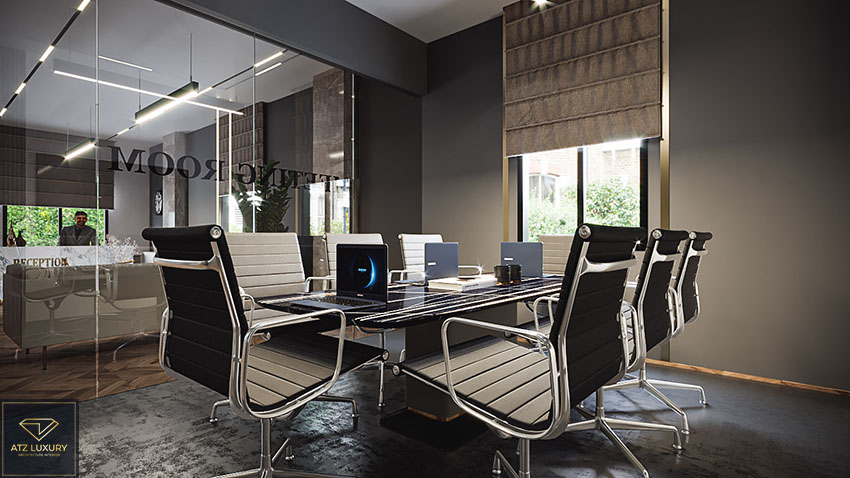
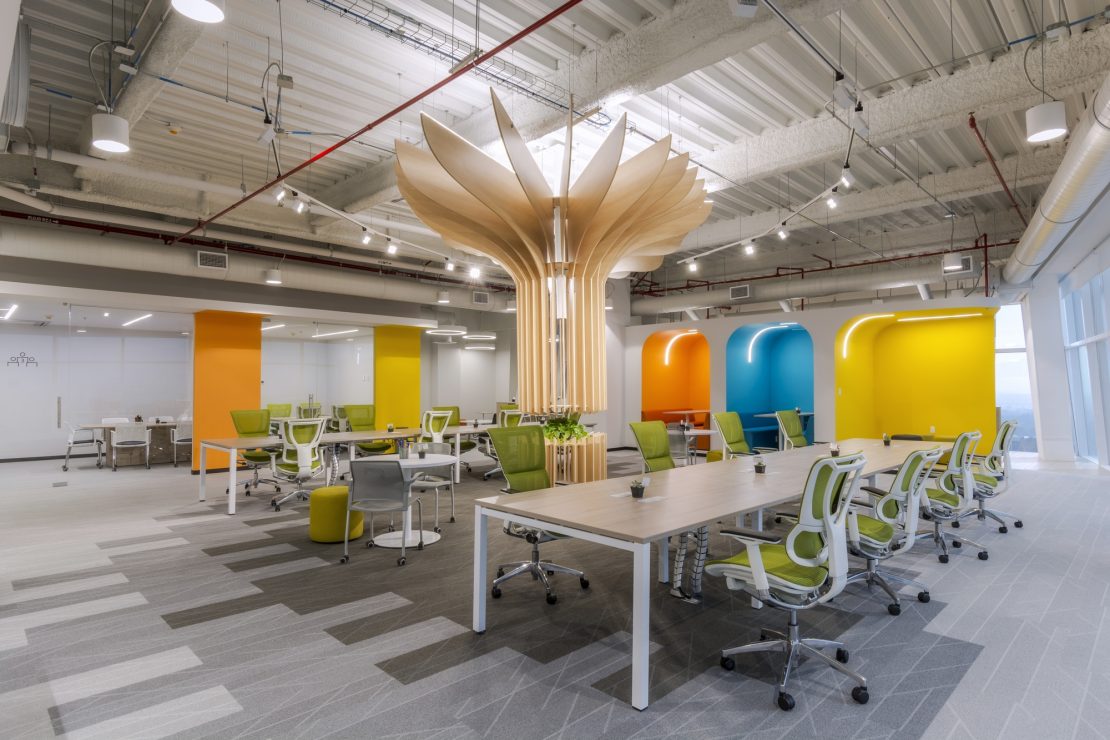
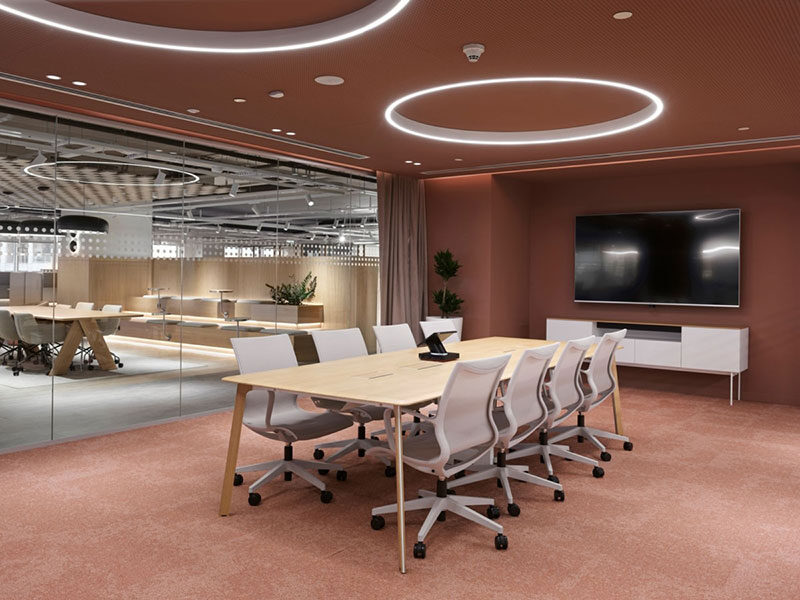
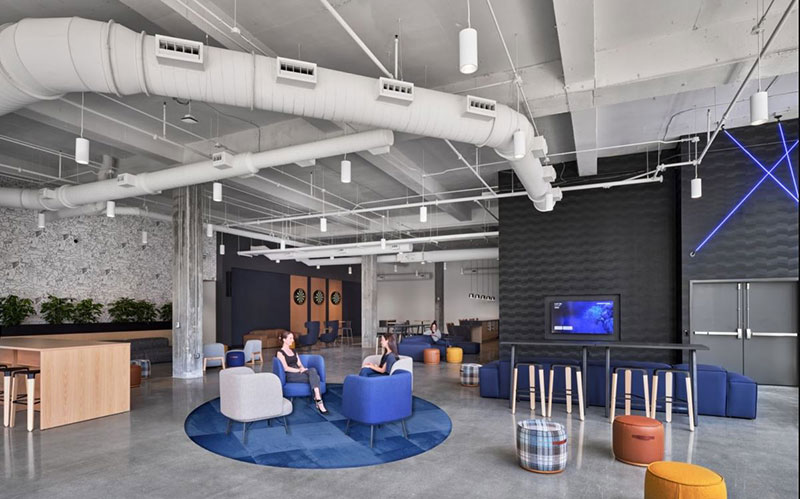
Explore these unique and striking workplace interior ideas to find the ideal style for your professional environment!


No comments yet!